


SWIFT Partners With Global Banks for Blockchain Real-Time Payments the global payments industry is undergoing one of the most significant transformations in its history. As digital finance accelerates and consumer expectations shift toward instant, seamless transactions, traditional banking infrastructure is being pushed to evolve. In this context, the announcement that SWIFT is partnering with leading global banks to build a blockchain ledger for real-time payments signals a major turning point for the financial ecosystem.
For decades, SWIFT has been the backbone of international banking communication, connecting thousands of financial institutions worldwide. However, cross-border payments have long faced challenges such as delays, high transaction costs, limited transparency, and fragmented reconciliation systems. The move toward a blockchain-based ledger is not just a technological upgrade; it represents a structural shift in how global money flows may operate in the future.
The collaboration between SWIFT and global banks aims to integrate blockchain technology, distributed ledger systems, and real-time settlement mechanisms into the core of financial infrastructure. By doing so, the initiative seeks to enhance efficiency, reduce operational risk, and improve transparency across international payments. As the race toward faster and more secure cross-border transactions intensifies, this strategic partnership could redefine the global financial landscape.
SWIFT Partners With Global Banks for Blockchain
Founded in 1973, SWIFT revolutionized global banking by replacing unreliable telex systems with a standardized messaging network. Today, it connects more than 11,000 financial institutions across over 200 countries. While SWIFT does not hold or transfer funds directly, its secure messaging system underpins trillions of dollars in daily transactions.
However, despite its dominance, cross-border payments have historically required multiple intermediaries, resulting in settlement delays that can stretch from hours to several days. Each intermediary introduces additional costs and complexity, making global transfers slower than domestic real-time payments.
The increasing demand for instant payments, 24/7 settlement, and enhanced payment transparency has pressured financial institutions to rethink legacy systems. This is where blockchain emerges as a potential solution.
Why Blockchain Matters for Real-Time Payments
Blockchain technology enables a shared, immutable ledger where transactions can be recorded and verified in near real time. Unlike traditional correspondent banking models, a distributed ledger allows multiple participants to access synchronized records, reducing reconciliation delays and operational friction.
For SWIFT and its banking partners, implementing a blockchain ledger could streamline liquidity management, minimize errors, and enhance compliance monitoring. The integration of smart contracts could automate settlement conditions, making cross-border transactions more predictable and efficient. The move signals a recognition that the future of finance may combine established infrastructure with emerging decentralized technologies.
How the Blockchain Ledger Will Transform Payment Processing
Real-Time Settlement and Reduced Friction
One of the core objectives of the SWIFT blockchain initiative is enabling real-time cross-border payments. Traditional cross-border transfers often involve time zone differences, batch processing schedules, and manual reconciliation. A blockchain-based ledger eliminates many of these constraints.
By leveraging a shared ledger, participating banks can validate transactions simultaneously, significantly reducing settlement time. This real-time capability is especially crucial for businesses operating in global supply chains, where delays in payments can disrupt operations.
Moreover, enhanced payment tracking systems built on blockchain infrastructure could offer end-to-end visibility, allowing banks and customers to monitor transaction status instantly.
Improved Security and Transparency
Security remains paramount in financial services. Blockchain’s cryptographic architecture ensures that transactions recorded on the ledger are tamper-resistant and transparent to authorized participants.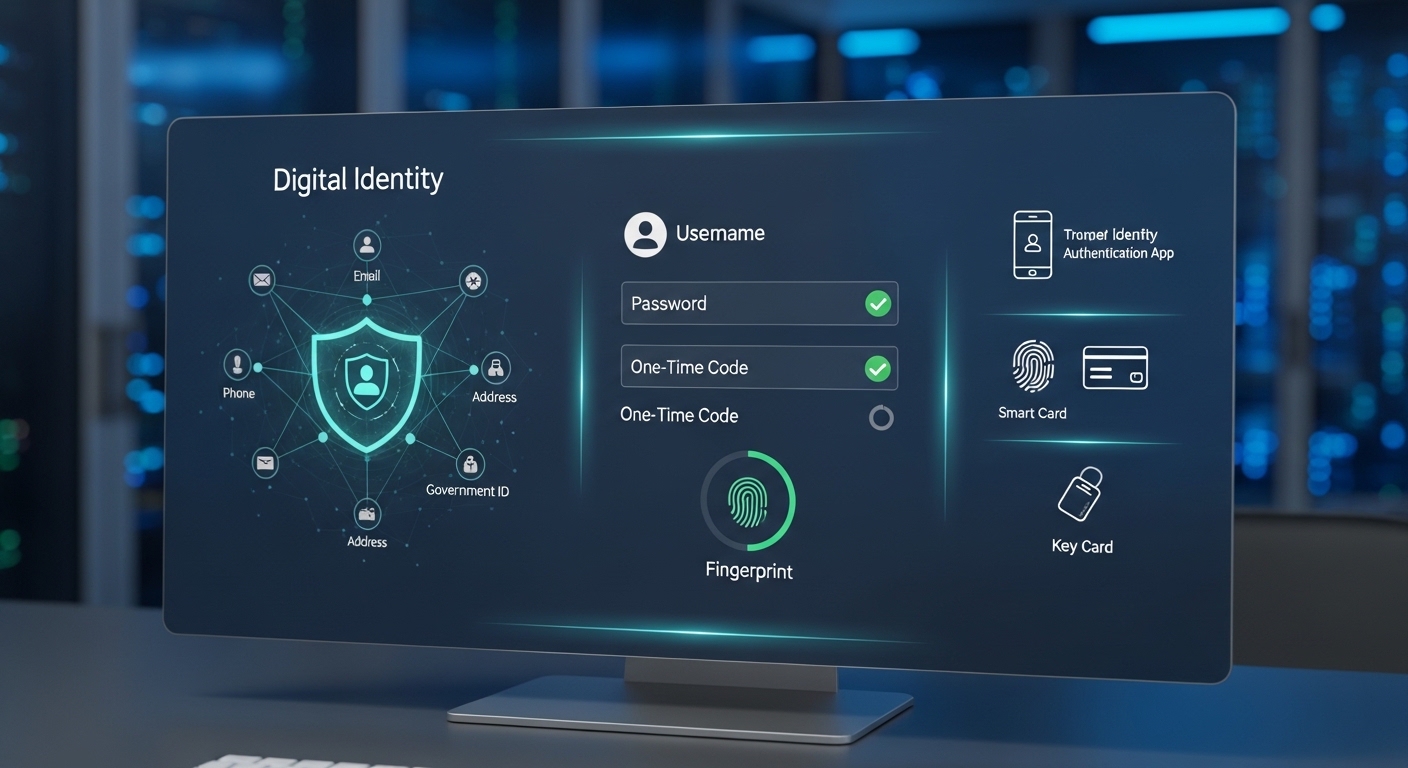
For SWIFT and global banks, incorporating blockchain enhances cybersecurity resilience while maintaining regulatory compliance. Since every transaction is recorded immutably, audit trails become clearer, reducing fraud risks and improving trust among participants. The use of digital identity verification and secure authentication mechanisms within the blockchain framework can further strengthen the ecosystem.
Strategic Partnerships With Global Banks
Collaboration at Scale
The success of this initiative depends on widespread adoption. SWIFT’s collaboration involves major international banks across North America, Europe, Asia, and the Middle East. By bringing together diverse financial institutions, the project aims to create interoperability across markets.
Such collaboration allows participating banks to test interoperability between traditional payment rails and blockchain-based systems. This hybrid model ensures continuity while gradually integrating innovative technology. Financial institutions view the blockchain ledger as a pathway toward modernization without dismantling existing infrastructure. Instead of replacing SWIFT’s messaging system entirely, the blockchain ledger complements and enhances it.
Competitive Landscape and Industry Pressure
The global payments space has become increasingly competitive, with fintech firms and alternative networks challenging traditional banking systems. Companies leveraging decentralized finance infrastructure, digital asset settlement, and tokenized transactions are offering faster solutions.
By partnering with global banks to develop a blockchain ledger for real-time payments, SWIFT positions itself at the forefront of innovation rather than reacting to disruption. This proactive approach ensures that established financial institutions remain competitive in an evolving digital economy.
The Role of Central Banks and Regulation
Regulatory Compliance in a Blockchain Environment
Any transformation in global payment infrastructure must align with regulatory frameworks. Central banks and financial regulators closely monitor developments in cross-border payment modernization.
SWIFT’s blockchain initiative operates within a permissioned environment, meaning only authorized institutions can participate. This structure ensures compliance with anti-money laundering standards, know-your-customer regulations, and data protection requirements. The involvement of central banks as observers or collaborators may further legitimize the project and encourage global acceptance.
Potential Integration With Central Bank Digital Currencies
The rise of central bank digital currencies has sparked discussions about their role in cross-border payments. A blockchain ledger built by SWIFT could potentially integrate with CBDC platforms, enabling seamless digital currency settlement.
Such integration would bridge traditional banking systems with emerging digital monetary frameworks, creating a unified ecosystem for international payments.
Technological Framework Behind the Initiative
Distributed Ledger Architecture
The blockchain ledger being developed relies on a permissioned distributed ledger architecture. Unlike public blockchains, permissioned networks offer scalability, privacy, and governance controls suitable for financial institutions.
Participants maintain synchronized copies of the ledger, ensuring data consistency across jurisdictions. This architecture reduces reconciliation disputes and enhances operational efficiency. The adoption of enterprise blockchain solutions ensures performance levels capable of handling high transaction volumes.
Smart Contracts and Automation
Smart contracts embedded within the ledger can automate payment triggers based on predefined conditions. For example, funds could be released upon confirmation of shipment or compliance checks.
Automation reduces manual intervention and minimizes operational risk. It also enhances the reliability of cross-border transactions, particularly in trade finance and corporate banking sectors.
Economic Implications of Real-Time Blockchain Payments
Cost Efficiency and Liquidity Optimization
Traditional cross-border payments often require banks to hold pre-funded accounts in multiple currencies. This ties up capital and increases costs.
A real-time blockchain ledger could reduce the need for excessive liquidity buffers by enabling faster settlement cycles. Improved liquidity management systems enhance capital efficiency for financial institutions. Reduced intermediary fees and streamlined processes could also lower transaction costs for end users.
Global Financial Inclusion
Real-time payments supported by blockchain technology may expand access to international financial services. Smaller banks and emerging markets could integrate into the global payments network more easily. This inclusivity supports economic development and fosters greater participation in global trade.
Challenges and Considerations
Scalability and Interoperability
While blockchain offers numerous benefits, scalability remains a concern. The system must handle millions of transactions daily without compromising speed or security. Interoperability with existing systems is equally critical. SWIFT’s approach focuses on ensuring seamless integration rather than abrupt replacement.
Adoption and Industry Alignment
Widespread adoption requires trust and alignment among financial institutions. The success of the blockchain ledger depends on coordinated participation across jurisdictions. Banks must invest in upgrading internal systems and training staff to adapt to the new infrastructure.
Future Outlook for Blockchain in Global Payments
The partnership between SWIFT and global banks represents more than a technological upgrade; it reflects a strategic evolution in global finance. As digital transformation accelerates, real-time blockchain payments may become the new standard.
Financial institutions increasingly recognize that combining established networks with blockchain innovation can deliver speed, security, and transparency. If successfully implemented, the blockchain ledger could redefine cross-border settlement norms, enhance economic connectivity, and strengthen global financial stability.
Conclusion
The announcement that SWIFT partners with global banks to build a blockchain ledger for real-time payments marks a pivotal moment in financial history. By integrating distributed ledger technology, real-time settlement infrastructure, and advanced automation, the initiative aims to address long-standing inefficiencies in cross-border payments.
This strategic move reinforces SWIFT’s role as a global financial infrastructure leader while positioning participating banks at the forefront of digital transformation. Although challenges related to scalability, regulation, and adoption remain, the collaborative approach increases the likelihood of success. As the financial ecosystem continues to evolve, the fusion of blockchain technology with traditional banking networks may shape the future of international payments for decades to come.
FAQs
Q: What does it mean that SWIFT is building a blockchain ledger for real-time payments?
When SWIFT builds a blockchain ledger for real-time payments, it means the organization is integrating distributed ledger technology into its existing financial messaging network. This allows participating banks to record and verify transactions instantly on a shared digital ledger. Instead of relying on multiple intermediaries and delayed settlement processes, banks can confirm transactions in near real time. The blockchain ledger improves transparency, enhances security, and reduces operational inefficiencies in cross-border payments.
Q: How will real-time blockchain payments benefit businesses and consumers?
Real-time blockchain payments significantly reduce transaction delays and provide immediate confirmation of transfers. For businesses, this means improved cash flow management, faster supplier payments, and reduced operational risk in international trade. Consumers benefit from quicker remittances, enhanced payment tracking, and potentially lower transaction fees. The system’s transparency also increases trust in cross-border transactions.
Q: Is the blockchain ledger replacing SWIFT’s traditional system?
The blockchain ledger is designed to complement rather than replace SWIFT’s existing messaging infrastructure. SWIFT remains a secure communication network between banks, while the blockchain ledger enhances settlement processes. This hybrid approach ensures continuity and stability while incorporating modern distributed ledger capabilities.
Q: How does this initiative align with regulatory requirements?
The blockchain ledger operates within a permissioned framework, meaning only authorized financial institutions can participate. This structure supports compliance with anti-money laundering laws, know-your-customer requirements, and international financial regulations. Regulators can access transparent audit trails, which strengthens oversight and risk management.
Q: Could this blockchain system integrate with central bank digital currencies in the future?
Yes, the blockchain ledger could potentially integrate with central bank digital currencies. As more central banks explore digital currency frameworks, a shared distributed ledger built by SWIFT could provide the infrastructure needed for seamless cross-border CBDC transactions. This integration would create a unified ecosystem connecting traditional banking systems with digital currency networks.