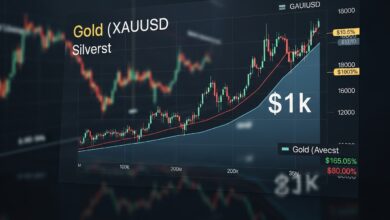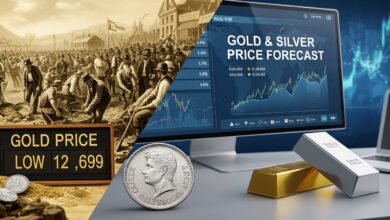

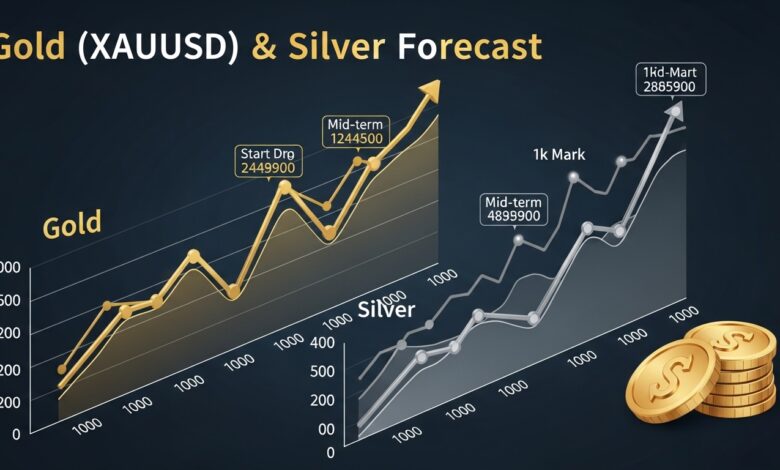
Gold (XAUUSD) & Silver Price Forecast 1k Tonnes Demand Surge the precious metals market has entered a defining phase as gold (XAUUSD) and silver experience renewed momentum following reports that more than 1,000 tonnes of gold were accumulated within a short span. This surge in buying has sparked fresh debate across global financial markets. Investors, analysts, and central banks are now asking a critical question: is this rally sustainable, or are we witnessing a temporary spike driven by short-term fear.
The gold price forecast and silver price forecast have become central topics in commodity circles as inflation concerns, geopolitical tensions, and monetary policy shifts continue to shape sentiment. With safe-haven demand rising sharply and institutional buyers stepping back into the market, the dynamics surrounding XAUUSD and silver have shifted dramatically. The scale of accumulation signals something larger than routine portfolio rebalancing. It reflects a broader repositioning toward tangible assets amid economic uncertainty.
Understanding whether the rally in gold and silver can sustain itself requires examining demand drivers, macroeconomic conditions, central bank behavior, technical signals, and investor psychology. The precious metals market does not move in isolation. It reacts to currency movements, bond yields, inflation data, and global risk appetite. As 1,000 tonnes of gold are reportedly bought, the implications extend far beyond short-term price spikes.
Gold (XAUUSD) & Silver Price Forecast 1k
When 1,000 tonnes of gold are purchased within a relatively short period, it represents a powerful statement. This level of accumulation often reflects strong institutional or central bank buying. In recent years, central banks have been consistent net buyers of gold, seeking diversification away from the U.S. dollar and reducing reliance on traditional reserve currencies.
The impact of such buying pressure on XAUUSD is significant. Large-scale demand reduces available supply in the market, tightening liquidity and amplifying upward price movement. In commodity markets, when physical demand accelerates sharply, it often precedes sustained rallies, especially if macroeconomic conditions support further buying.
The bullion market, particularly physical gold flows, plays a crucial role in shaping price action. Unlike speculative derivatives trading, physical accumulation tends to indicate long-term positioning. Investors buying gold in bulk are usually preparing for structural shifts rather than short-lived volatility.
For silver, which often follows gold’s lead, the impact can be even more pronounced. Silver has both investment and industrial demand components. When gold rallies strongly, silver typically experiences amplified volatility due to its smaller market size and dual demand drivers.
Gold (XAUUSD) Price Forecast: Macro Drivers Behind the Rally
The current gold (XAUUSD) price forecast depends heavily on global macroeconomic forces. One of the strongest drivers remains inflation. Persistent inflation hedge demand continues to support gold prices as consumers and institutions seek protection against eroding purchasing power.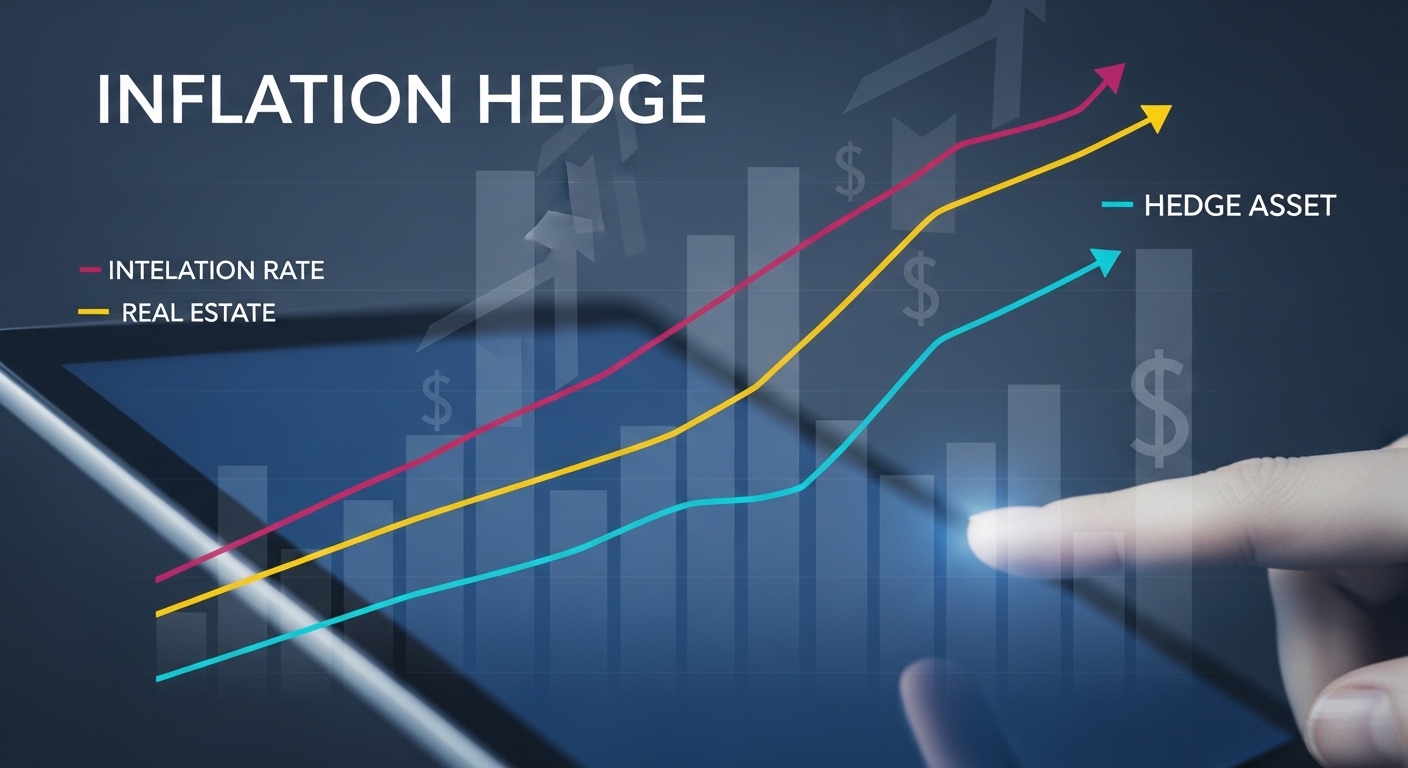
Interest rates also play a central role. Gold tends to perform well when real yields decline. If central banks slow rate hikes or signal future easing, gold’s attractiveness increases. The opportunity cost of holding non-yielding assets like gold decreases when bond yields fall.
Currency movements further shape XAUUSD dynamics. A weaker U.S. dollar often supports higher gold prices, as gold becomes cheaper for foreign buyers. Conversely, strong dollar rallies can temporarily cap gold gains. The interplay between dollar strength, Treasury yields, and global growth expectations creates the broader framework for the gold price forecast.
Geopolitical instability adds another layer of support. Conflict, trade disruptions, and political uncertainty typically increase safe-haven demand. In times of stress, gold regains its historical role as a store of value.
Central Bank Buying and Structural Demand
Central banks have been steadily increasing gold reserves over the past several years. This structural demand shift strengthens the long-term gold price outlook. Unlike speculative traders, central banks often accumulate gold with multi-decade horizons in mind.
This strategic allocation supports the idea that the current rally in XAUUSD is not purely speculative. When official institutions diversify into gold, it signals confidence in gold’s role within global reserves. That kind of demand is far more durable than short-term investor flows.
Silver Price Forecast: Catching Up or Leading the Next Move?
Silver often moves in tandem with gold, but it can outperform during strong bull phases. The silver price forecast becomes particularly interesting when gold rallies on structural demand rather than short-term panic.
Silver benefits from both investment flows and industrial demand. The push toward renewable energy, electric vehicles, and advanced electronics supports silver’s industrial consumption. As green energy infrastructure expands globally, silver’s usage in solar panels and technology increases.
This dual demand dynamic can create powerful upside moves. When investors buy gold for safety and simultaneously anticipate industrial recovery, silver gains additional momentum. Historically, during strong precious metals bull cycles, silver tends to outperform gold in percentage terms. However, silver is also more volatile. Its smaller market size means price swings can be sharper in both directions. For traders and long-term investors, silver offers higher risk but potentially higher reward compared to gold.
Is the Rally Sustainable? Key Factors to Watch
Determining whether the rally in gold (XAUUSD) and silver is sustainable requires evaluating multiple factors. First, inflation trends must remain elevated or at least uncertain. If inflation falls sharply and remains subdued, some demand for gold as an inflation hedge could weaken.
Second, monetary policy direction matters. If major central banks pivot toward rate cuts or pause tightening cycles, gold could extend gains. Conversely, unexpectedly aggressive rate hikes may create short-term headwinds.
Third, global economic growth expectations influence precious metals. A severe recession could boost safe-haven demand but may dampen industrial demand for silver. Balanced economic slowdown with continued monetary accommodation could be the most supportive scenario for both metals. Market positioning also matters. If speculative positioning becomes excessively crowded, corrections can occur even in strong bull markets. Healthy consolidations often precede further rallies.
Technical Outlook for XAUUSD and Silver
From a technical perspective, gold’s ability to hold above key support zones is critical. Breakouts above long-term resistance levels often signal structural trend changes rather than temporary spikes. Momentum indicators for XAUUSD currently reflect strong buying pressure. Sustained higher highs and higher lows support a bullish technical framework. If gold maintains upward momentum without sharp reversals, the gold price forecast could shift toward new all-time highs.
Silver’s technical structure often mirrors gold but with amplified volatility. Breaks above major resistance levels can trigger accelerated buying. Traders closely watch the gold-to-silver ratio, as extreme readings sometimes signal silver outperformance ahead. Technical analysis alone cannot guarantee sustainability, but when combined with strong fundamentals such as 1,000 tonnes of accumulation, it strengthens the bullish case.
The Role of Safe-Haven Demand in 2026
The global financial landscape remains fragile. Rising debt levels, geopolitical tensions, and evolving monetary frameworks continue to create uncertainty. In such environments, safe-haven assets gain prominence.
Gold’s reputation as a store of value spans centuries. During periods of currency debasement or financial instability, gold typically outperforms risk assets. The current surge in accumulation suggests that institutions anticipate prolonged volatility.
Silver, while less traditional as a reserve asset, still benefits from risk-off sentiment. Investors seeking diversification within precious metals often allocate to both gold and silver. If global uncertainties persist, safe-haven demand may continue supporting both metals.
Inflation, Recession Fears, and Precious Metals
Inflation remains one of the most influential drivers of gold prices. Even if headline inflation moderates, sticky core inflation can sustain precious metals demand.
At the same time, recession fears complicate the outlook. Economic contraction can boost gold through safe-haven flows but may suppress silver’s industrial demand temporarily. The balance between these forces will shape the silver price forecast. If stagflationary conditions emerge, characterized by slow growth and persistent inflation, gold could benefit significantly. Silver may follow once industrial activity stabilizes.
Investment Strategies in a Rising Gold and Silver Market
For long-term investors, gold often serves as a portfolio stabilizer. Allocating a portion of assets to gold can reduce overall volatility during equity downturns. Silver may appeal to investors seeking higher growth potential within the precious metals space. However, its volatility requires careful risk management.
The recent 1,000 tonnes gold purchase suggests institutional confidence. Investors monitoring the gold (XAUUSD) price forecast should focus on macro indicators, central bank communication, and global risk trends. Diversification remains key. Precious metals can complement equities and bonds, particularly during uncertain economic cycles.
What Could Derail the Rally?
While the outlook appears constructive, risks remain. A sharp rise in real yields could pressure gold prices. Strong economic growth combined with low inflation may reduce safe-haven demand. If geopolitical tensions ease significantly and financial markets stabilize, some of the urgency behind gold accumulation may fade. Additionally, profit-taking after rapid gains can trigger corrections.
Silver’s industrial exposure adds another layer of vulnerability. Slower global manufacturing activity could temporarily weigh on prices. Despite these risks, structural demand trends suggest that any pullbacks may be viewed as buying opportunities by long-term investors.
Conclusion
The surge of 1,000 tonnes bought into gold signals more than a short-term speculative move. It reflects growing institutional interest and renewed confidence in precious metals as strategic assets. The gold (XAUUSD) price forecast remains constructive if inflation uncertainty, central bank diversification, and global risk persist.
Silver’s outlook appears closely tied to gold but enhanced by industrial demand trends. If global green energy expansion continues and investment flows remain strong, silver could experience outsized gains.
Whether the rally is sustainable ultimately depends on macroeconomic conditions. However, the scale of accumulation suggests that this move may represent a structural shift rather than a fleeting spike. Investors and traders alike will continue watching inflation data, central bank policy, and geopolitical developments to gauge the next phase in the precious metals cycle.
FAQs
Q: Why does buying 1,000 tonnes of gold significantly impact the gold (XAUUSD) price forecast?
Large-scale purchases of 1,000 tonnes represent substantial physical demand, often from central banks or institutional investors. Such accumulation reduces available supply in the market and signals long-term confidence in gold as a reserve asset. When demand of this magnitude enters the market, it strengthens the bullish outlook for XAUUSD because it reflects structural positioning rather than short-term speculation. This can shift sentiment and attract additional investors.
Q: How does inflation influence the sustainability of the gold and silver rally?
Inflation plays a central role in the gold and silver price forecast because both metals are considered hedges against rising prices. When inflation remains elevated or uncertain, investors allocate capital to precious metals to preserve purchasing power. If inflation declines sharply and stabilizes, some demand may weaken. However, ongoing uncertainty about monetary policy often keeps safe-haven interest alive.
Q: Can silver outperform gold during this rally phase?
Silver has historically outperformed gold during strong bull markets due to its smaller market size and dual demand from investment and industry. If gold continues rising and industrial demand improves, silver could experience larger percentage gains. However, silver also carries higher volatility, meaning price swings can be sharper in both directions.
Q: What macroeconomic indicators should investors monitor for gold (XAUUSD) and silver price forecasts?
Investors should closely watch real interest rates, inflation data, central bank policy statements, and U.S. dollar strength. Bond yields and geopolitical developments also influence precious metals. Monitoring these factors provides insight into whether the rally has fundamental support or is driven by short-term speculation.
Q: Is the current gold and silver rally more structural or speculative in nature?
The scale of recent gold accumulation suggests a structural component, particularly if central banks are major buyers. Structural demand differs from speculative trading because it reflects long-term asset allocation decisions. While short-term volatility is always possible, sustained institutional interest increases the probability that the rally may continue over a longer horizon.