
Electricity Theft for Bitcoin Mining Costs TNB RM4.57b Since 2020
Malaysia loses RM4.57b to electricity theft for bitcoin mining since 2020, with 13,827 illegal premises uncovered, says Energy Ministry.

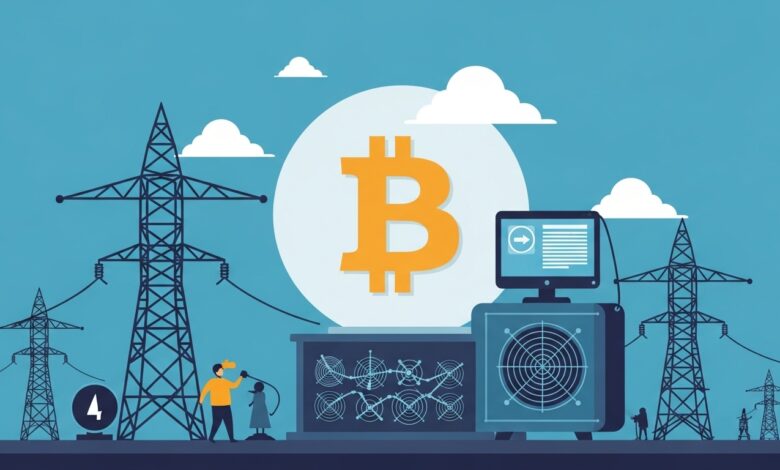
The Malaysian government has revealed a staggering new figure that puts into perspective the real cost of Electricity Theft for Bitcoin mining. In a written reply to Parliament, the Energy Transition and Water Transformation Ministry disclosed that Tenaga Nasional Berhad (TNB), the national utility, has lost about RM4.57 billion in revenue from illegal power use linked to cryptocurrency mining between 2020 and August 2025. Over the same period, 13,827 premises were uncovered for stealing electricity to run illegal bitcoin mining operations.
These are not isolated, small-scale abuses of the system. They point to a highly organised underground network of crypto mining farms tapping into subsidised power, exploiting regulatory gaps, and placing tremendous stress on the national grid. While cryptocurrency mining itself is not explicitly outlawed in Malaysia, tampering with meters and bypassing legal electricity connections is a serious crime under the Electricity Supply Act.
This article breaks down what the Energy Ministry’s data really means, how these schemes work, why Malaysia has become a hotspot for such activities, and what the long-term implications are for TNB, consumers, and the country’s broader energy transition agenda.
What exactly did the Energy Ministry reveal?
In its latest disclosure, the ministry confirmed that between 2020 and August 2025, Tenaga Nasional Berhad (TNB) has suffered roughly RM4.57 billion in losses due to electricity theft for bitcoin mining and other crypto-related activities. In total, 13,827 premises were identified as using power illegally for cryptocurrency mining.
These premises range from shophouses and small industrial units to hidden cryptocurrency mining farms embedded within residential or commercial properties. Many of them are cleverly disguised: from the outside, they may appear to be regular offices, warehouses, or retail outlets, but inside they are packed with racks of high-powered mining rigs.
The RM4.57 billion figure is not simply an accounting curiosity. It represents electricity that was actually generated, distributed, and consumed but never paid for. When such large volumes of power are siphoned off, the financial burden ultimately flows back to TNB, the government, and indirectly to honest consumers through higher costs and delayed investments in infrastructure.
Understanding the RM4.57 billion loss
The Energy Ministry’s figure also ties in with earlier government and media reports that have tracked the rising cost of power theft associated with bitcoin mining. For example, earlier disclosures indicated that electricity theft for bitcoin mining alone had cost TNB over RM441 million between 2020 and September 2024.
More recent estimates from senior officials suggest that when you look beyond TNB’s books and consider total national losses, the damage from power theft for bitcoin mining and other crypto activities from 2018 to mid-2025 reaches about RM4.8 billion.
This matters for several reasons:
First, it shows that the problem has grown over time. The number of cases and the total losses are not static; they have been rising as cryptocurrency prices have surged and more operators find it lucrative to run illegal bitcoin mining farms.
Second, it highlights how cheap or subsidised electricity can be exploited. Malaysia’s comparatively competitive electricity tariffs, especially for certain commercial and industrial categories, make it attractive for miners. But when operators bypass the meter altogether, even those regulated tariffs no longer apply, and the system becomes fundamentally unfair.
Third, RM4.57 billion in lost revenue could have been reinvested into the grid: upgrading aging infrastructure, expanding renewable energy capacity, or improving reliability in rural areas. Instead, a significant portion of this value has effectively been burned for private gain.
How electricity theft for bitcoin mining actually works
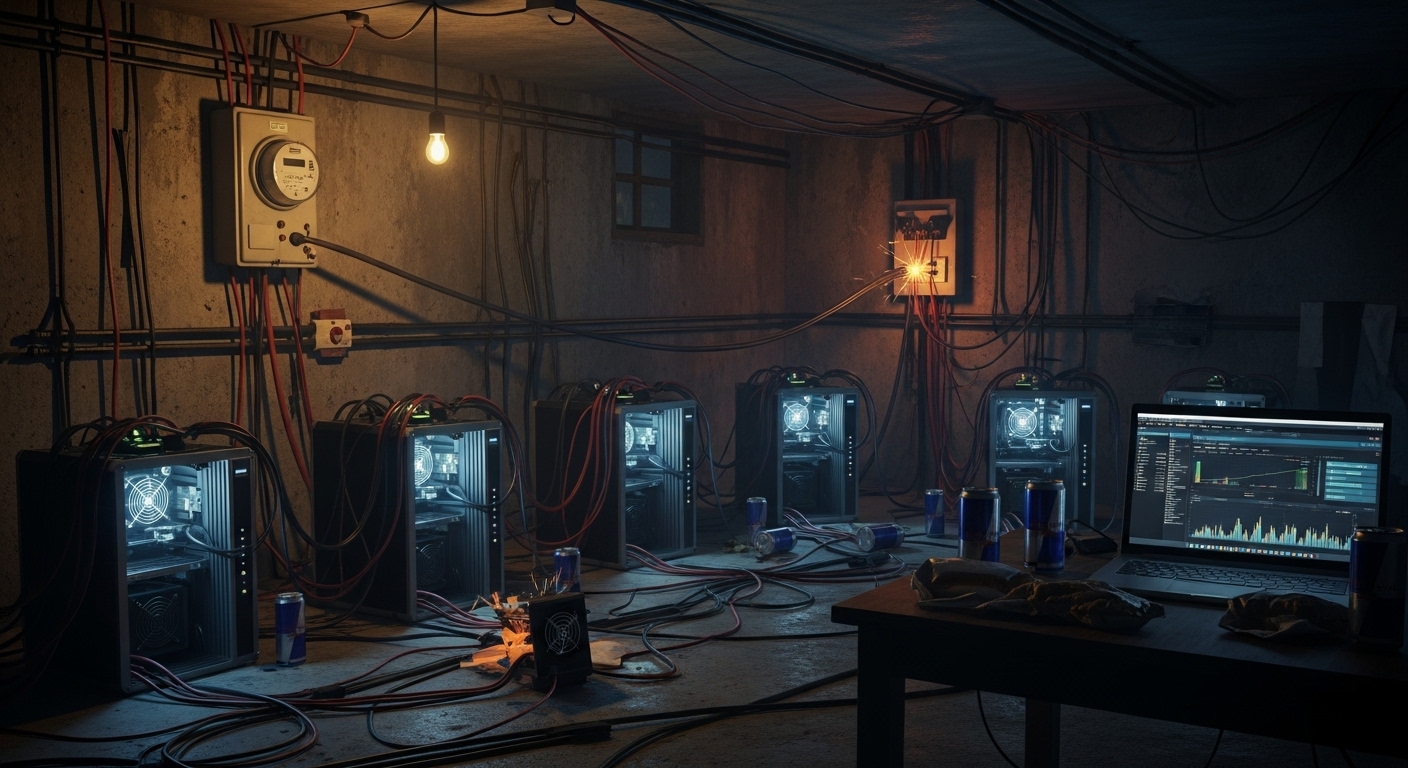
To understand why electricity theft for bitcoin mining is so tempting, it helps to look at how bitcoin mining operates. Bitcoin mining is the process of using specialised computers, often called ASICs, to solve complex cryptographic puzzles. Miners compete to validate blocks of transactions on the blockchain, and in return, they receive newly minted bitcoin plus transaction fees.
This process is extremely energy-intensive. A single mining farm can house hundreds or thousands of machines running 24 hours a day. Legitimate miners therefore face two major cost components: hardware and electricity. While hardware costs can be amortised, electricity is an ongoing operating expense.
Illegal operators cut this cost almost entirely by stealing power. Common patterns include:
They directly tap into the mains line before it reaches the meter. In many cases, cables are hidden underground, behind walls, or in ceilings, making detection difficult.
They tamper with or bypass the electricity meter, often with the help of technicians who understand distribution infrastructure.
They operate in locations where the noise and heat from mining rigs can be masked, such as industrial areas or mixed-use commercial zones.
By evading payment for electricity, these illegal miners can tolerate greater price volatility in cryptocurrencies and still remain profitable. That is why enforcement authorities have repeatedly described illegal bitcoin mining as a serious and persistent challenge.
The scale of illegal bitcoin mining in Malaysia
The Energy Ministry’s tally of 13,827 premises from 2020 to August 2025 gives a sense of how widespread cryptocurrency mining farms have become.
Complementing this, other official statements have highlighted the broader national picture. Deputy Energy Transition and Water Transformation Minister Akmal Nasrullah Mohd Nasir has said that electricity theft linked to illegal bitcoin mining caused RM4.8 billion in losses from 2018 to June 2025, with thousands of cases detected in just the last few years.
These figures reveal several important trends:
There is a clear shift from small-scale, hobbyist mining to organised, industrial-style operations.
The number of raids and cases has surged, reflecting both more illegal activity and stronger enforcement efforts.
The problem is not confined to any single state; it is spread across Malaysia, often clustering in areas with easy access to commercial premises and good connectivity.
In short, electricity theft for bitcoin mining is no longer a fringe issue. It is a systemic challenge that has forced authorities to rethink how they monitor consumption and enforce the Electricity Supply Act.
Why Malaysia attracts illegal crypto miners
Malaysia has become a magnet for crypto mining activities—both legal and illegal—for a combination of economic and structural reasons.
First, electricity tariffs, particularly for certain commercial users, are relatively competitive by regional standards. This makes Malaysia attractive compared to countries where industrial power rates are higher or more volatile.
Second, the country has decent infrastructure: reliable grid access, good Internet connectivity, and a strong base of electrical and engineering expertise. This makes it relatively easy to set up and maintain cryptocurrency mining farms.
Third, for several years, the regulatory framework did not explicitly address crypto mining. While power theft has always been illegal, there were no specific laws aimed at mining itself, creating a grey area that some operators exploited.
Finally, the sharp rise in bitcoin’s price in recent years has amplified incentives to operate under the radar. When each bitcoin is worth hundreds of thousands of ringgit, the allure of free—or stolen—electricity increases substantially.
All these factors combined have made Malaysia a prime target for illegal bitcoin mining syndicates, some of which are believed to operate across borders.
The impact on TNB, consumers and the national grid
The immediate victim of electricity theft for bitcoin mining is TNB’s balance sheet. When billions of ringgit worth of electricity are consumed without payment, it translates into direct financial loss for the utility. But the effects ripple out far beyond a single company.
From a financial standpoint, TNB has to absorb these losses while still maintaining and upgrading its infrastructure. This can constrain the company’s ability to invest in new renewable energy projects, grid automation, and customer-facing innovations.
For ordinary consumers and legitimate businesses, power theft undermines trust and fairness. Those who pay their bills end up indirectly subsidising those who do not. Over time, this can create pressure on tariffs, especially if losses remain high.
For the grid itself, large clusters of cryptocurrency mining rigs create unusual and often unstable demand patterns. Bitcoin farms typically run at high load continuously, rather than peaking only at certain times of the day. When this load is hidden—because it is not metered correctly—it becomes harder for grid planners and system operators to forecast demand accurately.
This mismatch can increase the risk of localised overloads, voltage instability, and equipment failure. In some cases, illegal mining sites have been linked to transformer failures and cable overheating, which can cause unplanned outages for surrounding neighbourhoods.
Hidden dangers: fire risks and equipment damage
Beyond financial losses and grid instability, illegal bitcoin mining setups can pose serious safety hazards. Because these operations are designed to stay hidden, they may not adhere to electrical safety standards. Wiring is often improvised, overloaded, or poorly insulated.
High-density rigs generate substantial heat. Without adequate cooling and ventilation, temperatures can rise quickly, increasing the risk of fire. The combination of makeshift wiring, overburdened transformers, and continuous heavy load is a recipe for accidents.
This is why enforcement agencies frequently emphasise the public safety aspect when conducting raids. Cutting off electricity theft for bitcoin mining is not just about protecting TNB’s revenue; it is also about preventing fires, protecting nearby residents, and ensuring the structural safety of buildings where mining farms are hidden.
Legal and regulatory responses to power theft
While Malaysia currently lacks a specific law focused solely on cryptocurrency mining, the authorities have made it clear that stealing electricity is a criminal offence. Under the Electricity Supply Act, tampering with or bypassing meters, or making unauthorised connections to the grid, can lead to hefty fines and jail terms
In practice, enforcement involves multiple agencies:
TNB works with the Energy Commission to identify abnormal consumption patterns and suspicious installations.
The police, including specialised units within the Criminal Investigation Department, conduct raids and gather evidence.
Agencies such as the Malaysian Anti-Corruption Commission (MACC) may be involved if there are signs of organised crime or corrupt facilitation.
Local councils support operations on the ground, especially when premises fall under their regulatory jurisdiction.
Joint operations have led to thousands of raids and the seizure of mining equipment worth millions of ringgit. In some cases, authorities have also been able to trace ownership and tenancy records to pursue those behind the schemes, not just the workers on site
Smart meters, data analytics and targeted raids
To stay ahead of increasingly sophisticated illegal bitcoin mining operations, TNB and the Energy Ministry are turning to technology. One of the key strategies has been the rollout of smart meters and advanced monitoring systems.
According to the Energy Ministry, TNB has built a dedicated database containing detailed records of owners and tenants of premises suspected of electricity theft linked to bitcoin mining. This database helps to track patterns, cross-reference locations, and identify repeat offenders.
Smart meters installed at distribution substations and, increasingly, at customer premises allow real-time monitoring of energy use. Unusual spikes, continuous high loads, or patterns inconsistent with declared use (for example, a “vacant” shop that appears to consume industrial-level power) can trigger further investigation.
By combining data analytics, field inspections, and intelligence from past raids, authorities are moving from random checks to targeted enforcement. This is crucial, given the sheer number of potential sites and the creativity of operators determined to conceal their activities.
What this means for the future of crypto mining in Malaysia

The revelations about RM4.57 billion in losses and 13,827 premises uncovered are likely to influence how Malaysia approaches cryptocurrency mining in the coming years. Policymakers face a balancing act between encouraging innovation in blockchain and digital assets, and protecting the integrity of the power system.
One possible direction is clearer differentiation between legitimate, licensed mining operations and illegal bitcoin mining. Some countries have introduced licensing schemes or specific tariffs for high-load data centres and mining farms. Under such frameworks, miners pay commercial or special rates, adhere to safety standards, and are subject to strict inspections.
Another likely focus area is integration with the country’s broader energy transition goals. As Malaysia works to increase the share of renewable energy and reduce carbon intensity, high-consumption uses like mining will come under scrutiny. Policymakers may incentivise miners to source power from solar farms, hydropower, or other low-carbon sources rather than the traditional grid mix.
Ultimately, the future of crypto mining in Malaysia will depend on whether the sector can operate transparently, pay its fair share for electricity, and coexist with the country’s climate and energy security objectives.
How legitimate miners can operate responsibly
For those interested in operating lawful cryptocurrency mining businesses in Malaysia, the message from the Energy Ministry is clear: there is no shortcut around compliance. Responsible miners should:
Apply for proper grid connections and disclose their expected demand honestly.
Work with engineers and certified contractors to ensure electrical installations meet safety codes.
Consider demand-response or off-peak usage arrangements, if available, to reduce strain on the grid.
Explore partnerships with renewable energy providers or invest in on-site generation to offset emissions and improve public perception.
Stay up-to-date with evolving regulations around digital assets, taxation, and energy use.
By operating openly and paying for the power they consume, legitimate miners can distance themselves from power theft syndicates and position their businesses as part of the formal digital economy rather than the underground one.
Protecting the grid and the public interest
The Energy Ministry’s revelation about RM4.57 billion lost to electricity theft for bitcoin mining is a wake-up call. It highlights how quickly new technologies can strain existing systems when regulation, enforcement, and public awareness do not keep pace.
Protecting the grid and the public interest will require more than occasional raids. It demands sustained collaboration between TNB, regulators, law enforcement, local authorities, and the broader public. As more smart meters are deployed and data analytics improve, authorities will gain better tools to detect and deter illegal bitcoin mining operations.
At the same time, consumers can play a role by reporting suspicious activity, such as unusually noisy premises, buildings with excessive heat and ventilation systems running around the clock, or properties that appear vacant but have heavy electrical cabling.
If Malaysia can plug the leaks in its electricity system, it stands to recover billions in lost revenue, improve grid reliability, and create a safer environment for both digital innovation and everyday life.
Conclusion
The Energy Ministry’s disclosure that electricity theft for bitcoin mining has cost TNB about RM4.57 billion since 2020 and involved 13,827 premises underscores the scale of a problem that has been building quietly for years.
Far from being a niche issue, illegal bitcoin mining now intersects with national priorities: energy security, fiscal stability, safety, and the transition toward a cleaner power system. While the technology behind cryptocurrencies and blockchain has genuine potential, it cannot be allowed to flourish at the expense of public resources and safety.
Going forward, tougher enforcement, smarter monitoring, and clearer regulatory frameworks will be essential. Legitimate miners will need to embrace transparency and responsible energy use, while authorities continue to refine their tools and strategies. For the public, awareness is key: understanding how power theft affects everyone is the first step toward a more secure and sustainable energy future.
FAQs
1. What is electricity theft for bitcoin mining?
Electricity theft for bitcoin mining occurs when individuals or organisations illegally tap into the power grid to run cryptocurrency mining equipment without paying for the electricity they consume. This usually involves bypassing or tampering with meters, making unauthorised connections, or disguising the true nature of a premises. In Malaysia, such actions violate the Electricity Supply Act, even though bitcoin mining itself is not explicitly banned.
2. How much has TNB lost due to illegal bitcoin mining?
According to the Energy Ministry, Tenaga Nasional Berhad (TNB) has lost about RM4.57 billion in revenue from electricity theft for bitcoin mining and related crypto activities between 2020 and August 2025, with 13,827 premises uncovered in that period. Broader estimates that look at total national losses from 2018 to mid-2025 put the figure at around RM4.8 billion.
3. Is bitcoin mining illegal in Malaysia?
Bitcoin mining itself is not outright illegal in Malaysia. However, using stolen electricity, bypassing meters, or making unauthorised connections to the grid is a crime under the Electricity Supply Act and related regulations. Miners who wish to operate legally must obtain proper connections from TNB, pay the applicable tariffs, comply with safety standards, and follow any additional requirements imposed by energy and financial regulators.
4. How do authorities detect illegal bitcoin mining operations?
Authorities detect illegal bitcoin mining operations through a combination of methods. Smart meters and advanced monitoring systems can flag abnormal consumption patterns. TNB and the Energy Commission analyse data to identify suspicious premises, such as properties with unusually high or continuous power usage. Joint operations with the police and other agencies then conduct inspections and raids, during which mining equipment and tampered wiring are often discovered.
5. What can consumers do to help reduce electricity theft?
Consumers can help by staying informed and reporting suspected power theft or illegal bitcoin mining activities to TNB or relevant authorities. Signs may include premises that appear vacant but emit loud fan noise and heat at all hours, or sudden local power issues that coincide with unusual activity nearby. By speaking up, the public can support enforcement efforts, protect the integrity of the grid, and help reduce the burden that electricity theft places on honest bill-paying customers.