


Bitcoin Mining Companies Capitulate as BTC Stays Under $70K the cryptocurrency market has once again entered a tense and uncertain phase. As Bitcoin struggles to reclaim the $70,000 level, pressure is mounting across the ecosystem. The most visible strain is emerging from the backbone of the network itself: the miners. Bitcoin mining companies start capitulating as BTC remains below $70K, and the implications of this trend extend far beyond short-term price action.
In previous market cycles, miner capitulation has often signaled a turning point. However, this time the dynamics are layered with post-halving economics, rising energy costs, institutional participation, and increasingly competitive hash rate conditions. With Bitcoin price volatility, mining profitability decline, and tightening margins becoming dominant themes, the question investors are asking is whether this is a temporary storm or a structural shift in the mining industry. We explores why Bitcoin mining companies start capitulating as BTC remains below $70K, how it impacts the broader crypto market, and what it could mean for the future trajectory of BTC.
Bitcoin Mining Companies
Miner capitulation occurs when mining companies are forced to sell significant portions of their Bitcoin holdings, shut down operations, or declare insolvency due to unsustainable costs. Historically, this phenomenon emerges when Bitcoin mining profitability drops below operational expenses.
When Bitcoin remains below $70K, revenue for miners tightens considerably, especially after the most recent block reward halving reduced issuance. While transaction fees provide supplemental income, they are rarely sufficient to offset a prolonged downturn in price. As Bitcoin mining companies start capitulating as BTC remains below $70K, many are liquidating reserves accumulated during bull markets to maintain liquidity. The current situation reflects a classic squeeze. Hash rate remains near record highs, competition is fierce, and the cost per mined Bitcoin has risen sharply for operators without access to ultra-cheap electricity.
The Impact of the Halving on Mining Economics
Reduced Block Rewards and Increased Pressure
The halving event reduced the block reward from 6.25 BTC to 3.125 BTC per block. This instantly cut mining revenue in half, assuming price remained constant. When Bitcoin remains below $70K instead of surging post-halving, the revenue compression becomes even more severe.
Mining firms that expanded aggressively in anticipation of a price breakout are now facing tighter margins. The combination of post-halving mining pressure and stagnant prices is accelerating the trend where Bitcoin mining companies start capitulating as BTC remains below $70K.
Operational Costs Vs Revenue
Electricity accounts for the majority of mining costs. In regions where power rates exceed competitive benchmarks, operations quickly become unprofitable. Additionally, hardware depreciation, maintenance, and financing obligations add to the burden.
Publicly listed mining companies often carry debt from expansion phases. With BTC under $70K, debt servicing becomes more difficult, pushing some firms toward restructuring or asset liquidation.
Hash Rate Resilience Despite Financial Strain
One surprising development is that network hash rate has remained relatively strong. Even as Bitcoin mining companies start capitulating as BTC remains below $70K, global hash rate does not immediately collapse.
This resilience stems from several factors. First, large-scale industrial miners with efficient ASIC fleets can operate profitably at lower price levels. Second, some miners continue operations in expectation of a price rebound. Third, newly deployed hardware with improved efficiency can temporarily offset declining profitability.
However, sustained pressure below $70K could eventually trigger a measurable hash rate decline. When weaker operators shut down, the network difficulty adjusts downward, restoring profitability for survivors.
Market Effects of Miner Sell-Offs
Increased Bitcoin Supply on Exchanges
When Bitcoin mining companies start capitulating as BTC remains below $70K, they often sell accumulated BTC reserves. This increases sell-side pressure in the market. On-chain data frequently shows spikes in miner outflows during capitulation phases. Large transfers from mining wallets to exchanges can weigh heavily on price sentiment. Traders monitor these movements as signals of potential downward momentum.
Psychological Impact on Investors
Miner capitulation carries symbolic weight. Miners are often considered long-term believers in Bitcoin’s future. When they begin selling aggressively, it can signal distress and weaken investor confidence.
The narrative that Bitcoin mining companies start capitulating as BTC remains below $70K reinforces bearish sentiment in the short term. However, experienced market participants recognize that capitulation phases historically precede recovery periods.
Institutional Mining Firms Versus Small Operators
The mining landscape has evolved significantly. Publicly traded companies now dominate a large share of hash power. These firms have access to capital markets, hedging strategies, and long-term power contracts.
Smaller operators, by contrast, face more immediate risks. Without scale advantages, they are often first to shut down when Bitcoin remains below $70K for extended periods. Consolidation is therefore accelerating. As Bitcoin mining companies start capitulating as BTC remains below $70K, stronger players acquire distressed assets at discounted prices. This process reshapes the industry structure.
Energy Costs and Geographic Shifts
Global Energy Market Volatility
Energy prices fluctuate based on geopolitical and macroeconomic factors. In regions experiencing rising power costs, mining operations struggle to remain competitive. Bitcoin mining companies start capitulating as BTC remains below $70K particularly in high-cost jurisdictions. Conversely, regions with surplus renewable energy or government incentives may see less impact.
Migration Toward Renewable Sources
The drive toward renewable energy mining continues. Lower-cost solar, wind, and hydro power can significantly reduce operating expenses. Some companies are relocating or investing in infrastructure projects to secure long-term energy stability. This transition could ultimately strengthen the network by aligning profitability with sustainable power generation.
On-Chain Signals of Capitulation
Blockchain analytics firms track miner behavior through wallet movements, reserve balances, and spending patterns. A consistent decline in miner reserves often indicates financial stress.
When Bitcoin mining companies start capitulating as BTC remains below $70K, on-chain metrics typically show accelerated BTC transfers to exchanges. Simultaneously, the Miner Position Index often spikes, reflecting elevated selling activity. Historically, these signals coincide with local market bottoms. Once selling pressure subsides, price stabilization tends to follow.
Historical Comparisons to Previous Cycles
Bitcoin has experienced multiple miner capitulation phases, notably during 2014, 2018, and 2022 bear markets. Each time, prolonged price weakness forced inefficient operators out of the market.
What makes the current phase unique is scale. Institutional involvement and industrial infrastructure are far larger than in previous cycles. Therefore, while Bitcoin mining companies start capitulating as BTC remains below $70K, the systemic impact may be less dramatic due to diversification of participants. In earlier cycles, hash rate dropped sharply before recovery. This time, the network appears more resilient, though not immune.
The Role of Derivatives and Hedging Strategies
Modern mining companies utilize derivatives markets to hedge against price declines. By locking in future prices through Bitcoin futures contracts or options, miners can protect revenue streams.
Despite these strategies, prolonged periods where Bitcoin remains below $70K strain even hedged positions. Margin requirements, liquidity constraints, and market volatility introduce additional complexity. Still, sophisticated risk management tools differentiate today’s environment from earlier cycles.
Broader Crypto Market Implications
When Bitcoin mining companies start capitulating as BTC remains below $70K, the ripple effects extend to altcoins and related sectors. Reduced miner profitability can dampen investor sentiment across the entire digital asset space.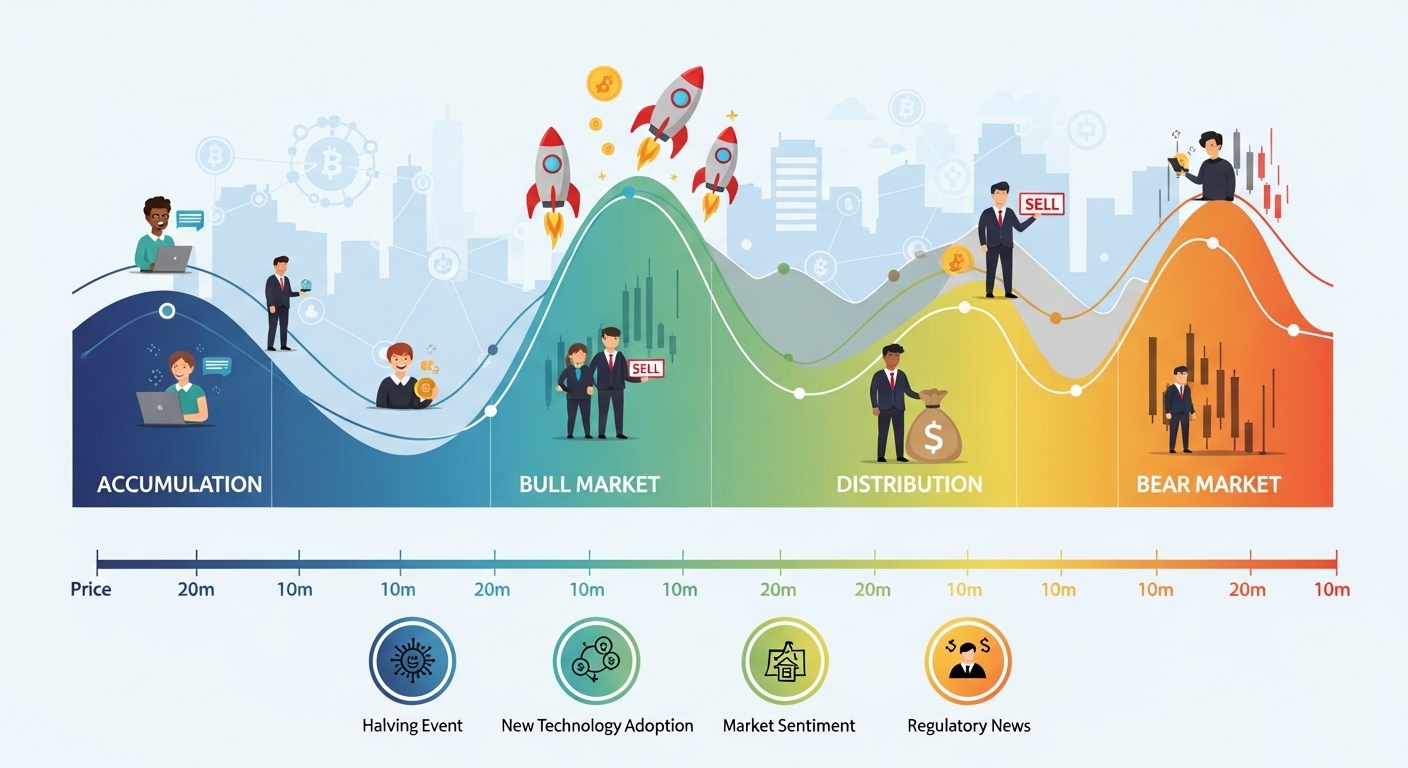
However, some analysts argue that miner capitulation is a cleansing mechanism. By removing inefficient players, the network becomes leaner and more sustainable. The concept of crypto market cycles suggests that downturns create the foundation for future growth phases. If history rhymes, the current pressure could lay groundwork for the next bull run.
Will Bitcoin Recover Above $70K?
Predicting price movements remains inherently uncertain. Macroeconomic conditions, regulatory developments, and institutional flows all influence Bitcoin’s trajectory.
If demand strengthens and capital inflows increase, a move back above $70K could quickly restore mining profitability. In that scenario, the narrative that Bitcoin mining companies start capitulating as BTC remains below $70K would shift toward recovery and expansion. Conversely, extended stagnation could trigger deeper consolidation within the mining industry.
Long-Term Outlook for Bitcoin Mining
Despite current challenges, long-term fundamentals remain intact. Bitcoin’s supply schedule, network security model, and growing institutional adoption continue to underpin value. Mining difficulty adjustments provide a built-in stabilization mechanism. As weaker miners exit, remaining operators benefit from reduced competition.
Over time, technological innovation, improved ASIC efficiency, and strategic energy partnerships may offset cyclical downturns. While Bitcoin mining companies start capitulating as BTC remains below $70K in the present moment, history suggests that such phases often precede renewed growth.
Conclusion
The reality that Bitcoin mining companies start capitulating as BTC remains below $70K underscores the cyclical nature of the cryptocurrency market. Reduced block rewards, elevated operational costs, and stagnant prices have created a perfect storm for miners. Yet capitulation does not necessarily signal collapse. Instead, it reflects a market recalibration. Inefficient operators exit, stronger players consolidate, and the network adjusts through difficulty mechanisms.
If Bitcoin regains upward momentum, today’s pressure could be remembered as a transitional phase rather than a structural breakdown. Investors monitoring miner sell-offs, hash rate trends, and Bitcoin price support levels will gain valuable insight into where the market may head next. As always, volatility defines the crypto space. But resilience has historically defined Bitcoin.
FAQs
Q: Why do Bitcoin mining companies start capitulating when BTC remains below $70K?
Bitcoin mining companies start capitulating as BTC remains below $70K primarily because revenue declines while operational costs remain fixed or even rise. After the halving reduced block rewards, miners depend heavily on price appreciation to maintain margins. If Bitcoin trades below profitable thresholds for extended periods, companies are forced to sell reserves, shut down equipment, or restructure debt obligations to survive.
Q: Does miner capitulation mean Bitcoin’s price will crash further?
Miner capitulation does not automatically mean a deeper crash is inevitable. Historically, periods when Bitcoin mining companies start capitulating as BTC remains below $70K or other key levels have often coincided with local price bottoms. Capitulation can reduce selling pressure once weaker miners exit, potentially paving the way for recovery.
Q: How does miner selling impact the broader crypto market?
When miners liquidate holdings, additional supply enters exchanges, increasing short-term downward pressure. This can affect overall crypto market sentiment and influence altcoin performance. However, the long-term effect depends on demand dynamics and macroeconomic conditions.
Q: Can mining remain profitable if Bitcoin stays under $70K?
Profitability varies widely depending on electricity costs, hardware efficiency, and financial structure. Some large-scale operators with low energy expenses can remain profitable even if Bitcoin remains below $70K. Smaller or highly leveraged miners, however, may struggle significantly under those conditions.
Q: Is miner capitulation a sign of long-term weakness in Bitcoin?
Miner capitulation is generally viewed as part of normal market cycles rather than a sign of permanent weakness. When Bitcoin mining companies start capitulating as BTC remains below $70K, it often reflects temporary financial strain rather than a breakdown of the network. Over time, difficulty adjustments and consolidation typically restore equilibrium within the mining ecosystem.