
Bitcoin Blockchain Audit Essentials for Assurance Leaders
blockchain audit essentials for Bitcoin and crypto. Expert guidance on assurance, risk management, and controls for audit leaders.

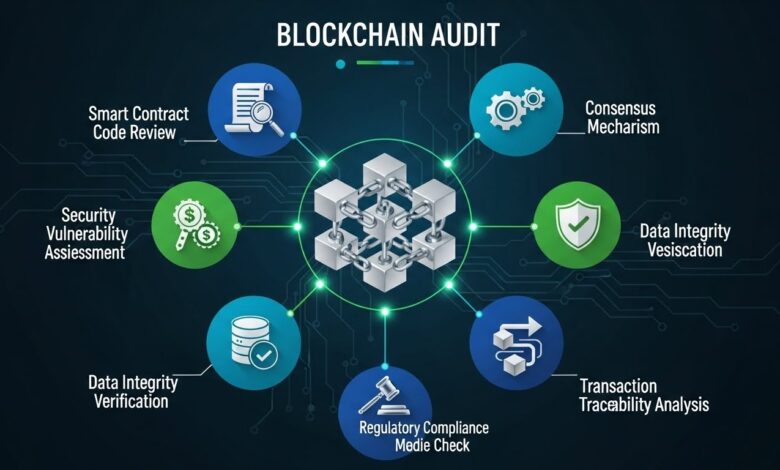
The rapid evolution of cryptocurrency and distributed ledger technology has fundamentally transformed how organizations conduct financial transactions and manage digital assets. As Bitcoin continues to dominate headlines and blockchain applications expand across industries, assurance professionals face unprecedented challenges in understanding, evaluating, and auditing these revolutionary technologies. The blockchain audit essentials that every assurance leader must master go far beyond traditional financial controls, requiring a deep understanding of cryptographic principles, smart contract functionality, and decentralized governance models. Today’s audit professionals cannot afford to view cryptocurrency as a passing trend because the technology underpinning Bitcoin and blockchain systems represents a paradigm shift in how value is stored, transferred, and verified across global networks.
The Fundamentals of Blockchain Technology for Auditors
Before diving into specific blockchain audit essentials, assurance leaders must establish a solid foundation in how distributed ledger technology actually works. Unlike traditional centralized databases controlled by single entities, blockchain operates as a distributed network where multiple nodes maintain identical copies of transaction records. Each block in the chain contains a cryptographic hash of the previous block, creating an immutable record that becomes exponentially difficult to alter as the chain grows longer.
Smart contracts introduce additional considerations for blockchain audit essentials. These self-executing programs automatically enforce agreement terms when predetermined conditions are met. While smart contracts eliminate counterparty risk in theory, they introduce new risks related to coding errors, logic flaws, and unexpected interactions with other contracts. The immutable nature of blockchain means that once deployed, a flawed smart contract cannot easily be corrected, making pre-deployment audits absolutely essential.
Key Risk Areas in Blockchain and Cryptocurrency Operations
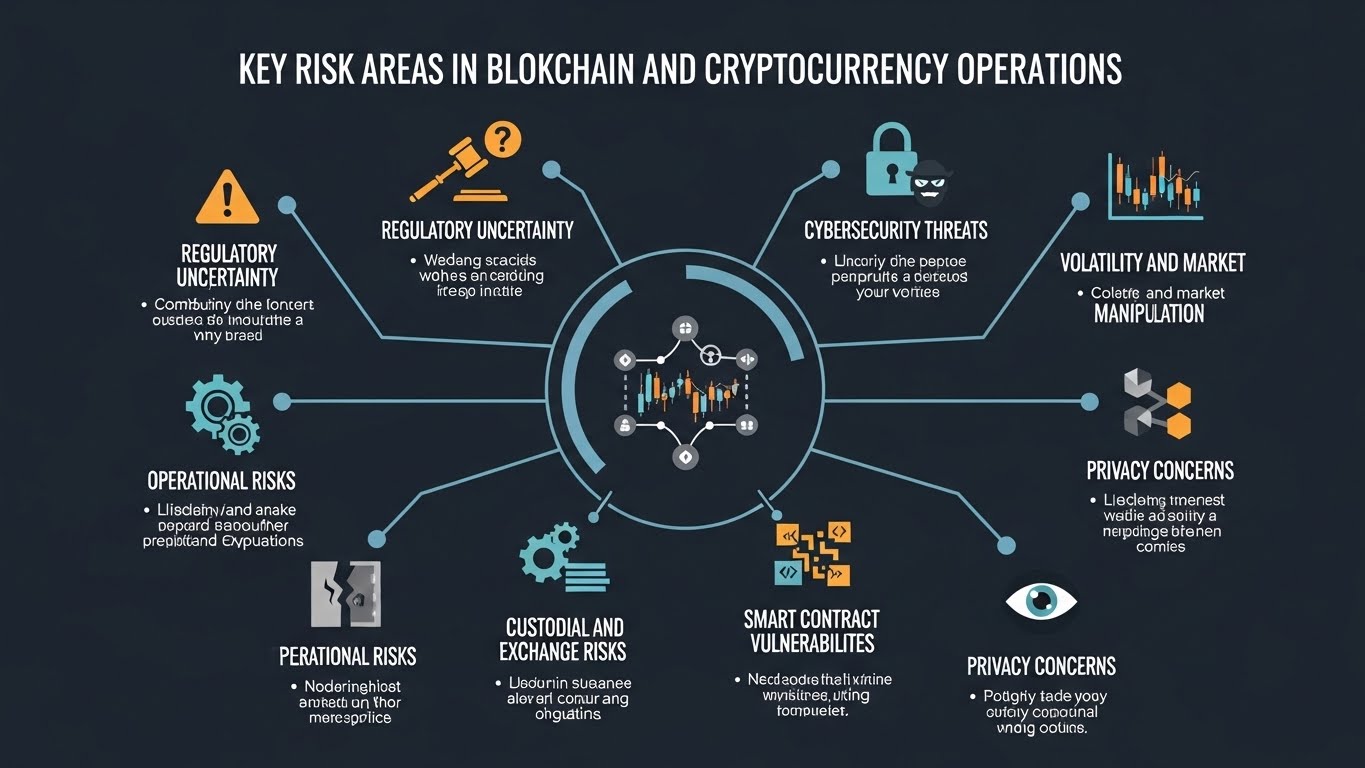
Assurance leaders developing comprehensive blockchain audit essentials must thoroughly understand the unique risk landscape associated with digital assets and distributed ledger technology. The risks extend far beyond traditional financial reporting concerns, encompassing cybersecurity threats, regulatory compliance challenges, and operational vulnerabilities specific to decentralized systems.
Regulatory compliance represents an evolving minefield for organizations operating in the blockchain and cryptocurrency space. The regulatory landscape varies dramatically across jurisdictions, with some countries embracing digital assets while others impose strict limitations or outright bans. Tax treatment remains ambiguous in many regions, with ongoing debates about whether cryptocurrencies should be classified as property, currency, securities, or commodities. Anti-money laundering requirements and know-your-customer obligations add further complexity, particularly for platforms facilitating peer-to-peer transactions.
Developing a Comprehensive Blockchain Audit Framework
Creating an effective framework for blockchain audit essentials requires assurance leaders to blend traditional audit methodologies with blockchain-specific procedures and controls. The framework must address both the unique technological characteristics of distributed ledger systems and the broader business processes surrounding cryptocurrency operations.
Wallet management and custody controls demand intensive scrutiny in any blockchain audit essentials. Auditors should distinguish between hot wallets connected to the internet for operational purposes and cold storage solutions maintaining private keys offline for enhanced security. Multi-signature wallet implementations, where multiple parties must approve transactions, provide stronger controls than single-signature arrangements.
Technical Audit Procedures for Blockchain Systems
Implementing effective blockchain audit essentials requires assurance professionals to develop technical competencies that extend significantly beyond traditional financial auditing skills. While organizations may engage blockchain specialists for particularly complex technical assessments, internal audit teams benefit enormously from building foundational capabilities in blockchain analysis and verification.
Node operation verification forms an important component of blockchain infrastructure audits for organizations running their own nodes. Auditors should verify that nodes maintain full, synchronized copies of the relevant blockchain, assess whether adequate computing resources support reliable operation, and evaluate network connectivity to ensure nodes can effectively propagate and receive transactions.
Internal Controls for Cryptocurrency Operations
Establishing robust internal controls represents a foundational requirement for any organization handling digital assets and blockchain technology. The unique characteristics of cryptocurrency demand control frameworks that address both the technological infrastructure and the business processes surrounding digital asset management.Segregation of duties proves just as critical in cryptocurrency operations as in traditional financial processes, though implementation differs significantly. Organizations should separate responsibilities for initiating transactions.
Change management procedures take on heightened importance in blockchain audit essentials where smart contract code cannot easily be modified after deployment. Organizations should implement rigorous development and testing protocols for smart contracts, including comprehensive code reviews, security audits, and extensive testing in development environments before production deployment. Version control systems should track all code changes, and deployment procedures should include final verification that production code matches tested and audited versions.
Regulatory Compliance and Reporting Considerations

Navigating the complex regulatory landscape surrounding blockchain and cryptocurrency represents one of the most challenging aspects of assurance work in this domain. The regulatory environment continues evolving rapidly, with new guidance, rules, and enforcement actions emerging regularly across multiple jurisdictions.Financial reporting requirements for cryptocurrency holdings have gradually crystallized as accounting standard-setters have issued guidance addressing digital asset recognition.
Securities laws present additional compliance considerations for organizations involved in token offerings, digital asset exchanges, or cryptocurrency-related investment products. Regulatory authorities in many jurisdictions have taken the position that certain cryptocurrencies and tokens constitute securities subject to registration requirements and ongoing reporting obligations. The determination depends on multiple factors, including how tokens are marketed.
Emerging Trends and Future Audit Considerations
The blockchain and cryptocurrency ecosystem continues evolving at breakneck speed, with new developments constantly emerging that have significant implications for assurance professionals. Staying ahead of these trends enables audit leaders to anticipate future challenges and position their organizations to provide relevant, value-added services.Decentralized finance platforms represent one of the most significant developments in the blockchain space, creating entirely new paradigms for lending, borrowing, trading, and investing without traditional intermediaries.
Non-fungible tokens have emerged as a prominent application of blockchain technology extending far beyond financial services into art, entertainment, gaming, and intellectual property management. Organizations are exploring non-fungible token use cases for authenticating physical goods, managing digital rights, and creating new revenue streams. The unique characteristics of non-fungible tokens create distinct audit considerations around existence verification, ownership determination, and valuation challenges.
Building Blockchain Audit Capabilities Within Organizations
For assurance leaders seeking to develop strong blockchain audit capabilities, a strategic approach to talent development, tool acquisition, and knowledge building proves essential for success in this rapidly evolving domain.Recruiting and developing personnel with appropriate blockchain and cryptocurrency expertise represents the foundational challenge.
Investing in appropriate tools and technologies enables more efficient and effective blockchain auditing. Block explorers and blockchain analysis platforms provide essential capabilities for tracing transactions, analyzing wallet activity, and identifying patterns across blockchain networks. Specialized cryptocurrency accounting software helps organizations track cost basis, calculate gains and losses, and generate tax reporting.
Conclusion
The emergence of Bitcoin, blockchain, and cryptocurrency technologies represents both a significant challenge and an enormous opportunity for assurance professionals. Organizations across virtually every industry are exploring or implementing blockchain applications, creating explosive demand for auditors who can effectively evaluate these systems and provide meaningful assurance to stakeholders. The unique characteristics of distributed ledger technology require assurance leaders to expand their capabilities beyond traditional financial auditing into technical infrastructure assessment, smart contract analysis, and cryptocurrency-specific risk evaluation.
Success in delivering effective blockchain audit essentials requires a commitment to continuous learning, strategic capability building, and thoughtful adaptation of traditional audit methodologies to address blockchain-specific considerations. Assurance leaders must invest in developing technical expertise, acquiring appropriate tools, and building networks of specialized service providers to support complex engagements. The transparency inherent in public blockchains provides auditors with unprecedented verification capabilities, while the technical complexity and rapidly evolving landscape demand new approaches to risk assessment and control evaluation.