

Bhutan Launches Blockchain Digital Nomad Visa with Solana Gold Token the Himalayan kingdom of Bhutan has once again surprised the global community by embracing innovation while staying rooted in tradition. In a bold move that blends technology with policy reform, Bhutan rolls out blockchain powered digital nomad visa using Solana Gold Token, positioning itself at the forefront of digital governance. As nations worldwide compete to attract remote workers and crypto entrepreneurs, Bhutan’s initiative stands out for integrating blockchain technology, digital identity systems, and crypto-backed residency programs into a single framework.
The rise of remote work has reshaped global mobility. Millions of professionals now operate beyond borders, seeking destinations that offer quality of life, connectivity, and regulatory clarity. By launching a blockchain powered digital nomad visa, Bhutan signals its readiness to welcome this new wave of location-independent talent. The integration of the Solana Gold Token further demonstrates the country’s commitment to modern Web3 infrastructure, decentralized finance ecosystems, and secure digital transactions.
This development could redefine how small nations leverage cryptocurrency adoption and smart contract platforms to create transparent, efficient, and scalable visa systems. As Bhutan rolls out blockchain powered digital nomad visa using Solana Gold Token, it introduces a new model of digital residency that may inspire policymakers around the globe.
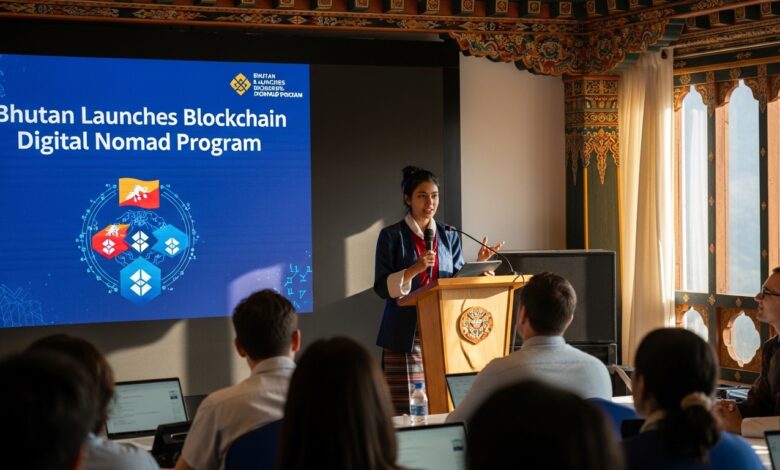
Bhutan Launches Blockchain Digital Nomad
Nestled between India and China, Bhutan has long prioritized Gross National Happiness over conventional economic growth metrics. Yet beneath its tranquil exterior lies a progressive approach to modernization. Over the past decade, Bhutan has steadily embraced digital governance reforms, investing in e-governance platforms, digital infrastructure development, and fintech experimentation.
The decision to introduce a blockchain powered digital nomad visa aligns with Bhutan’s broader digital transformation roadmap. Policymakers recognize that attracting remote professionals can diversify the economy, stimulate knowledge exchange, and enhance foreign investment without straining natural resources. By leveraging blockchain security protocols and tokenized verification systems, Bhutan ensures that the new visa model remains efficient and tamper-resistant.
Bhutan rolls out blockchain powered digital nomad visa using Solana Gold Token not merely as a marketing headline, but as a practical strategy to modernize immigration services. Traditional visa systems often face bottlenecks, paperwork delays, and compliance challenges. A blockchain-based solution introduces automation, transparency, and traceability, reducing administrative burdens.
Understanding the Blockchain Powered Digital Nomad Visa
The concept of a digital nomad visa is not new. Countries from Europe to Southeast Asia have launched special permits allowing remote workers to reside legally while employed abroad. However, Bhutan’s blockchain powered digital nomad visa differs significantly in its structure.
Instead of relying solely on centralized databases, Bhutan integrates distributed ledger technology to manage application records, identity verification, and visa status updates. This system ensures immutable documentation and reduces fraud risk. Smart contracts embedded within the platform automate eligibility checks, payment confirmations, and renewal notifications.
When Bhutan rolls out blockchain powered digital nomad visa using Solana Gold Token, applicants engage with a seamless digital interface. Their credentials are verified through encrypted blockchain entries, creating a secure digital identity profile. This approach enhances trust while simplifying compliance for both authorities and applicants.
The result is a visa system that embodies digital transformation in governance, crypto-enabled transactions, and secure cross-border mobility solutions.
The Role of Solana Gold Token in the Visa Framework
At the core of this initiative lies the Solana Gold Token. Built on the high-performance blockchain network developed by Solana, the token facilitates payments, staking mechanisms, and identity validation within the visa ecosystem.
The choice of Solana is strategic. Known for its scalability and low transaction costs, Solana supports thousands of transactions per second, making it ideal for government-level applications. By integrating Solana Gold Token, Bhutan ensures that visa processing remains fast, transparent, and cost-effective.
Bhutan rolls out blockchain powered digital nomad visa using Solana Gold Token to enable crypto-based application fees and security deposits. Applicants can use the token to pay visa charges, with transactions recorded immutably on the blockchain. This eliminates intermediaries and reduces processing time.
Furthermore, the Solana Gold Token may function as a compliance guarantee. Through smart contract automation, tokens could be temporarily staked during the visa period and released upon fulfillment of residency terms. This innovative approach merges tokenized asset management with immigration control.
Why Bhutan Chose Blockchain for Immigration Reform
Immigration systems worldwide often struggle with inefficiencies, fraud, and data silos. By adopting blockchain, Bhutan addresses these issues proactively. Distributed ledger technology offers transparency without compromising privacy. Every transaction and update is recorded securely, yet sensitive personal data remains encrypted.
Bhutan rolls out blockchain powered digital nomad visa using Solana Gold Token to ensure real-time verification and seamless auditing. Blockchain minimizes the risk of forged documents and duplicate applications. Authorities can instantly confirm an applicant’s status without manual cross-checking.
Another advantage lies in interoperability. A blockchain-based visa can integrate with financial institutions, accommodation providers, and tax authorities through API-driven smart contracts. This creates an ecosystem where compliance is automated rather than enforced through bureaucratic hurdles.
The adoption of decentralized identity verification, crypto payment gateways, and blockchain governance models positions Bhutan as a pioneer in digital policy innovation.
Economic Implications of the Digital Nomad Initiative
As Bhutan rolls out blockchain powered digital nomad visa using Solana Gold Token, the economic ripple effects could be substantial. Digital nomads typically bring foreign income, spend locally, and contribute to service sectors without competing heavily in domestic job markets.
Local businesses such as co-working spaces, hospitality providers, and tourism operators may benefit from increased demand. The integration of cryptocurrency payments could also stimulate fintech startups and encourage broader digital asset adoption within Bhutan.
Moreover, positioning itself as a blockchain-friendly destination enhances Bhutan’s appeal to tech entrepreneurs and crypto investors. The country could attract blockchain developers, Web3 founders, and decentralized finance innovators seeking regulatory clarity and lifestyle advantages. This model supports sustainable economic diversification, balancing technological progress with environmental preservation.
Legal and Regulatory Framework Supporting the Visa
Implementing a blockchain powered digital nomad visa requires robust legal backing. Bhutan has reportedly updated regulatory frameworks to recognize digital tokens and blockchain records as legally valid documentation.
When Bhutan rolls out blockchain powered digital nomad visa using Solana Gold Token, it ensures that token transactions comply with anti-money laundering standards and international financial regulations. Regulatory clarity is crucial to maintaining global credibility.
Smart contracts governing the visa operate under predefined legal parameters. This reduces discretionary decision-making and enhances procedural fairness. The system reflects a shift toward algorithmic governance models, where transparency and rule-based automation replace opaque processes.
Global Context: Competing in the Digital Nomad Race
Countries worldwide are vying to attract remote professionals. Estonia, Portugal, and Dubai have launched digital residency or nomad programs. Yet Bhutan’s blockchain-driven approach introduces a technological edge.
By integrating tokenized payments and decentralized verification, Bhutan differentiates itself from conventional programs. As Bhutan rolls out blockchain powered digital nomad visa using Solana Gold Token, it blends cultural heritage with cutting-edge innovation.
The move signals a broader trend where nations leverage cryptocurrency ecosystems, blockchain identity solutions, and Web3 governance frameworks to modernize public services. Bhutan’s initiative may prompt others to explore similar token-based residency models.
Challenges and Risk Considerations
Despite its promise, the blockchain powered digital nomad visa faces challenges. Cryptocurrency volatility could impact token valuation and fee structures. Regulatory changes in global crypto markets may influence adoption.
Bhutan rolls out blockchain powered digital nomad visa using Solana Gold Token amid an evolving global regulatory landscape. Ensuring cybersecurity resilience is essential. Blockchain systems, while secure by design, require robust infrastructure and skilled oversight. Public education is equally important. Applicants must understand how to use digital wallets, manage private keys, and comply with token-based procedures. Simplified onboarding and clear guidance will determine the program’s long-term success.
Social and Cultural Impact on Bhutan
Welcoming digital nomads introduces cultural exchange opportunities. Remote professionals may engage with local communities, share skills, and contribute to knowledge transfer. However, authorities must balance growth with cultural preservation.
Bhutan rolls out blockchain powered digital nomad visa using Solana Gold Token while maintaining its commitment to environmental sustainability and social harmony. Policymakers may impose residency caps or location guidelines to prevent over-tourism.
By integrating smart city infrastructure, green technology initiatives, and sustainable tourism policies, Bhutan can align its digital nomad strategy with national values.
Technological Infrastructure Behind the Program
The success of this initiative depends on reliable internet connectivity and digital infrastructure. Bhutan has invested in expanding broadband access and strengthening cybersecurity systems.
The blockchain powered digital nomad visa platform leverages encrypted cloud storage, distributed ledger nodes, and real-time transaction monitoring tools. Solana’s high throughput ensures that application surges do not overwhelm the network.
As Bhutan rolls out blockchain powered digital nomad visa using Solana Gold Token, it demonstrates how emerging economies can adopt advanced fintech frameworks without compromising scalability.
Long-Term Outlook for Blockchain-Based Residency
This initiative may represent the beginning of a broader transformation in immigration systems. Tokenized residency models could extend to investor visas, student permits, or temporary work programs.
Bhutan rolls out blockchain powered digital nomad visa using Solana Gold Token as a pilot for future governance innovation. If successful, the model could expand to integrate central bank digital currencies, decentralized autonomous governance mechanisms, and advanced biometric verification. The convergence of immigration policy and blockchain technology reflects a global shift toward digital-first governance.
Conclusion
Bhutan’s decision to introduce a blockchain powered digital nomad visa marks a significant milestone in digital governance. By integrating Solana Gold Token into its visa framework, the country merges innovation with policy reform. Bhutan rolls out blockchain powered digital nomad visa using Solana Gold Token not merely to attract remote workers, but to establish itself as a forward-thinking hub for Web3 development and crypto adoption.
The initiative offers economic diversification, administrative efficiency, and global visibility. While challenges remain, the program exemplifies how blockchain can transform public services. As digital mobility continues to reshape the global workforce, Bhutan’s model may inspire a new era of tokenized residency and decentralized governance.
FAQs
Q: How does the blockchain powered digital nomad visa work in Bhutan?
The blockchain powered digital nomad visa operates through a digital platform where applicants submit credentials that are recorded on a distributed ledger. Smart contracts automatically verify eligibility criteria, process payments using the Solana Gold Token, and issue approvals. This system enhances transparency, reduces fraud, and accelerates processing times compared to traditional visa systems. The use of blockchain ensures that each step is securely documented and easily auditable by authorities.
Q: What is the purpose of integrating Solana Gold Token into the visa system?
Solana Gold Token serves as the primary medium for transaction processing within the visa ecosystem. It facilitates payment of application fees, potential security deposits, and compliance verification through token staking mechanisms. By leveraging a high-speed blockchain network, Bhutan ensures low transaction costs and rapid confirmation times, making the system efficient and scalable for global applicants.
Q: Who is eligible to apply for Bhutan’s digital nomad visa?
Eligibility typically targets remote professionals, freelancers, and entrepreneurs who earn income from outside Bhutan. Applicants must demonstrate stable financial resources, maintain health insurance coverage, and comply with digital verification procedures. The blockchain system verifies documentation authenticity while ensuring secure data storage, streamlining the approval process for qualified individuals.
Q: What economic benefits could Bhutan gain from this initiative?
The introduction of a blockchain powered digital nomad visa may stimulate local businesses, increase foreign currency inflows, and encourage fintech innovation. Digital nomads contribute to housing, hospitality, and service sectors while introducing technical expertise. Additionally, integrating cryptocurrency payments can boost Bhutan’s reputation as a blockchain-friendly destination, attracting investment and entrepreneurial activity.
Q: Could this model influence other countries to adopt blockchain-based visas?
Yes, Bhutan’s approach could set a precedent for tokenized residency systems globally. If the program proves efficient and secure, other nations may explore similar blockchain integration for immigration services. The success of Bhutan’s model could accelerate the adoption of decentralized identity verification, crypto-based payment systems, and automated governance frameworks in public administration worldwide.