


Bitcoin Miners Shift $800M to AI as Profits Vanish the cryptocurrency industry has always been defined by rapid change, but few shifts have been as dramatic as the current transformation unfolding among major mining companies. The narrative of Bitcoin miners quietly accumulating coins and expanding hash power is being replaced by a new storyline: the migration toward artificial intelligence infrastructure. As mining profitability declines, several large firms have begun reallocating capital into AI data centers, high-performance computing, and cloud-based services. Reports indicate that more than $800 million has already been redirected from traditional mining operations into AI-related projects, marking one of the most significant strategic pivots in the history of the sector.
The move is not occurring in isolation. It is a response to tightening margins, rising energy costs, and the structural effects of Bitcoin’s halving cycle. With block rewards reduced and competition increasing, miners are searching for alternative revenue streams that can leverage their existing infrastructure. This has placed artificial intelligence at the center of the conversation, as AI infrastructure requires similar resources: large facilities, advanced cooling systems, and massive electricity consumption.
The phrase Bitcoin miners shift $800M into AI infrastructure as profits vanish has quickly become a defining headline for the industry. It reflects a broader transformation where companies once solely focused on cryptocurrency are now positioning themselves as technology infrastructure providers. This article explores why this shift is happening, what it means for the mining industry, and how the integration of AI could reshape the future of digital assets.
Bitcoin Miners Shift $800M to AI
The Bitcoin network is designed to reduce mining rewards approximately every four years through an event known as the halving. This mechanism is intended to control supply and reinforce Bitcoin’s scarcity. However, it also places immense pressure on miners. When block rewards are cut in half, revenue declines instantly unless compensated by higher prices or improved efficiency.
After recent halving cycles, many operators found themselves facing shrinking profit margins. Even companies with large-scale operations began reporting reduced earnings. As the industry matured, competition intensified, and only the most efficient miners were able to remain consistently profitable.
Rising Energy Costs and Operational Expenses
Energy remains the largest expense for most mining companies. In several regions, electricity prices have risen due to global energy shortages, geopolitical tensions, and increased demand. This has directly impacted mining profitability, forcing companies to rethink their strategies.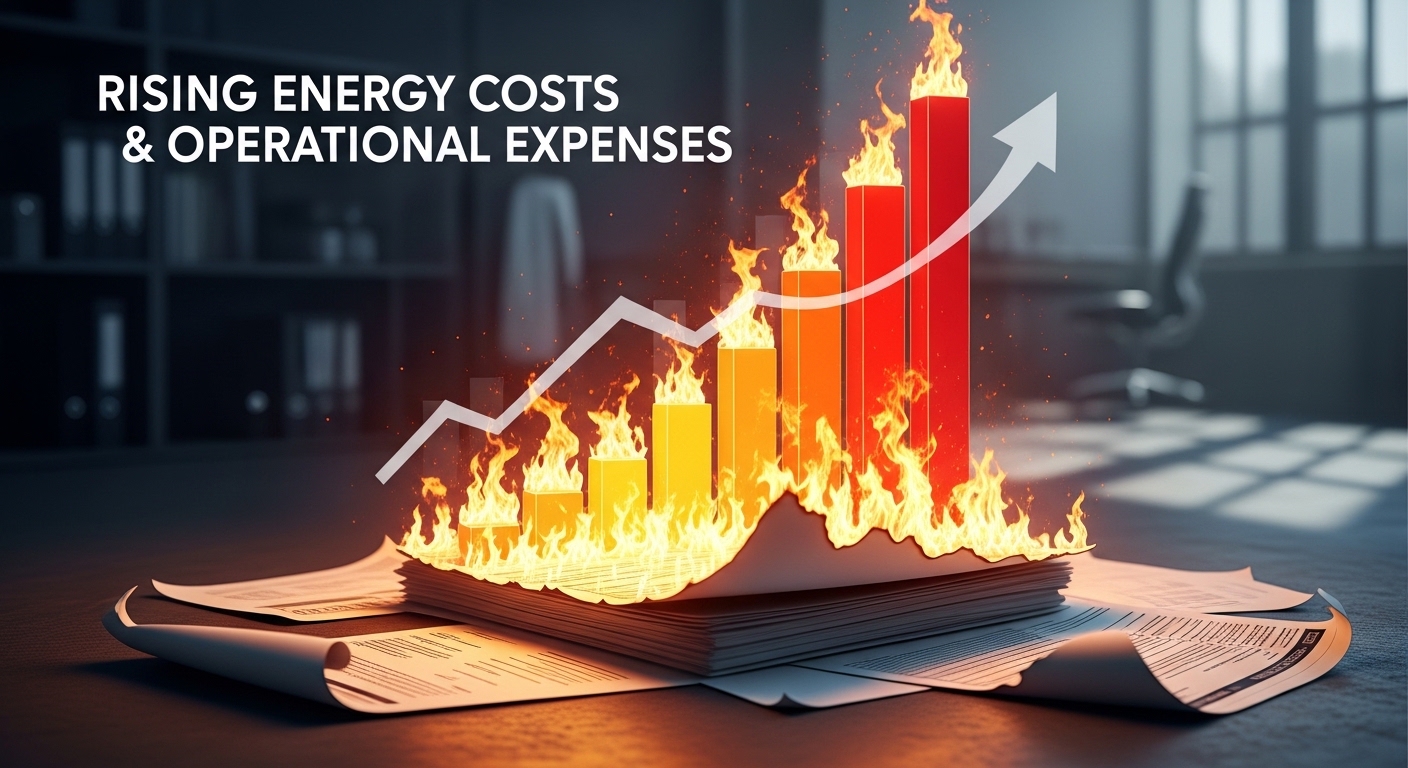
At the same time, the cost of acquiring new hardware has remained high. Advanced mining rigs require significant upfront investment, and the rapid pace of technological advancement means equipment can become obsolete quickly. These factors combined have created a scenario where miners must look beyond traditional operations to maintain revenue.
Increased Network Difficulty
Bitcoin’s network difficulty adjusts automatically based on the total computational power participating in mining. As more miners join the network, difficulty increases, making it harder to earn rewards. This self-balancing mechanism ensures the network’s security but also intensifies competition.
For smaller or less efficient operations, rising difficulty can be devastating. Even some large companies have reported declining margins despite significant hash power. The phrase Bitcoin miners shift $800M into AI infrastructure as profits vanish captures the urgency of this situation, as companies seek new avenues to stay financially viable.
Why AI Infrastructure Appeals to Miners
Shared Resource Requirements
Artificial intelligence workloads require vast amounts of computing power. Training large models demands high-performance chips, extensive cooling systems, and stable electricity supplies. These requirements are strikingly similar to those of cryptocurrency mining operations.
Mining facilities are already designed to handle massive energy loads and advanced cooling systems. This makes them ideal candidates for conversion into AI data centers. Instead of building entirely new infrastructure, companies can repurpose existing assets.
The Explosive Growth of AI Demand
The global surge in artificial intelligence adoption has created an unprecedented demand for computing resources. From natural language processing to autonomous systems, businesses across industries are seeking access to high-performance computing.
This demand has led to a shortage of data center capacity in many regions. Mining companies, with their large facilities and access to power, are uniquely positioned to fill this gap. By transitioning into AI infrastructure providers, they can tap into a rapidly growing market.
Diversification of Revenue Streams
For years, mining companies relied almost entirely on Bitcoin’s price movements. When prices rose, profits surged. When markets cooled, margins shrank. The integration of AI services offers a more stable and diversified revenue model.
By hosting high-performance computing workloads, miners can earn consistent income regardless of cryptocurrency market conditions. This diversification is one of the key reasons behind the current shift.
The $800 Million Pivot: What It Means
Strategic Investments in AI Hardware
The reported $800 million investment reflects a significant commitment to AI infrastructure. Mining firms are purchasing advanced GPUs and specialized chips designed for artificial intelligence tasks. These processors are often more expensive than traditional mining equipment but offer higher revenue potential. Such investments signal a long-term strategy rather than a temporary adjustment. Companies are positioning themselves as technology providers rather than purely cryptocurrency miners.
Partnerships With AI Companies
Some mining firms have begun forming partnerships with AI startups and cloud providers. These collaborations allow miners to lease their infrastructure to companies that need computing power. In return, they receive stable, predictable revenue.
This model resembles traditional data center operations, where companies host servers for clients. The difference is that mining firms already possess much of the required infrastructure.
Rebranding and Corporate Transformation
Several companies are rebranding themselves to reflect their new direction. Terms like AI computing, cloud infrastructure, and data center services are appearing more frequently in corporate announcements. This shift in language indicates a broader transformation within the industry. Mining is no longer seen as the sole focus. Instead, companies are evolving into diversified technology providers.
How the Shift Affects the Bitcoin Network
Potential Reduction in Hash Rate Growth
If a significant portion of mining resources is redirected toward AI, the overall hash rate growth of the Bitcoin network could slow down. While this does not necessarily threaten the network’s security, it could influence mining dynamics. A slower increase in hash rate might make mining slightly more accessible for smaller operators. However, the long-term effects remain uncertain.
Greater Emphasis on Efficiency
As profits tighten, miners are being forced to prioritize efficiency. This includes optimizing energy usage, upgrading hardware, and exploring renewable energy sources. The move toward AI infrastructure may accelerate these trends. Data centers often prioritize energy efficiency and sustainability, which could influence mining practices as well.
New Revenue Models for Miners
The integration of AI services introduces a hybrid model where companies earn income from both mining and computing services. This could make the industry more resilient to market fluctuations.
Instead of relying solely on block rewards and transaction fees, miners could generate steady revenue from AI workloads. This diversification could stabilize the industry over time.
The Role of Energy in the AI Transition
Energy as a Strategic Asset
In both mining and AI computing, access to cheap and reliable energy is crucial. Many mining companies are located in regions with abundant power resources. These locations are equally attractive for AI data centers. This means that the energy infrastructure built for mining can now serve a dual purpose. Facilities once dedicated to hashing computations can be repurposed for AI training and inference tasks.
Renewable Energy Opportunities
The transition to AI may encourage greater use of renewable energy. Many AI companies prioritize sustainability, which aligns with the growing trend of green mining.
By combining renewable energy mining with AI computing, companies can position themselves as environmentally responsible technology providers.
Challenges Facing the AI Pivot
High Capital Requirements
Building and maintaining AI infrastructure is expensive. Advanced chips, cooling systems, and network equipment require significant investment. Not all mining companies have the financial resources to make this transition. Smaller firms may struggle to compete, leading to further consolidation in the industry.
Technical Expertise
Operating an AI data center requires different expertise than running a mining facility. Companies must hire engineers, data center specialists, and AI professionals to manage these operations. This shift in skill requirements could be challenging for firms that have traditionally focused on cryptocurrency.
Market Competition
The AI infrastructure market is becoming increasingly competitive. Established cloud providers already dominate the sector. Mining companies must find ways to differentiate themselves. Their main advantage lies in their existing infrastructure and access to energy. However, they will need strong partnerships and efficient operations to succeed.
Long-Term Implications for the Crypto Industry
Evolution of Mining Companies
The phrase Bitcoin miners shift $800M into AI infrastructure as profits vanish may mark the beginning of a new era. Mining companies are evolving into diversified technology firms. This transformation could redefine the industry’s identity. Instead of being seen solely as crypto miners, these companies may become key players in the broader computing ecosystem.
Greater Integration Between Crypto and AI
The convergence of cryptocurrency and artificial intelligence could lead to new innovations. For example, AI could optimize mining operations, predict energy usage, or enhance blockchain security.
At the same time, blockchain technology could be used to manage AI workloads, verify data integrity, or create decentralized computing networks.
A More Resilient Industry
By diversifying into AI infrastructure, mining companies may reduce their dependence on Bitcoin’s price cycles. This could lead to a more stable and sustainable industry. Instead of boom-and-bust cycles, the sector could develop more consistent revenue streams.
Conclusion
The decision by major firms to redirect $800 million into artificial intelligence marks a turning point for the mining industry. As Bitcoin miners face shrinking margins due to halving events, rising costs, and increasing competition, the move toward AI infrastructure offers a new path forward.
This shift is not just a temporary adjustment. It represents a fundamental transformation in how mining companies operate and define themselves. By leveraging their existing facilities and energy resources, they are positioning themselves at the intersection of cryptocurrency and artificial intelligence.
The headline Bitcoin miners shift $800M into AI infrastructure as profits vanish captures the essence of this transition. It reflects an industry adapting to new economic realities while embracing emerging technologies. As the worlds of crypto and AI continue to converge, the companies that successfully navigate this transformation may shape the future of both industries.
FAQs
Q: Why are Bitcoin miners investing in AI infrastructure?
Bitcoin miners are investing in AI infrastructure because mining profits have declined due to halving events, rising energy costs, and increased competition. AI computing requires similar resources such as power, cooling, and data center space. By shifting into AI, miners can generate more stable and diversified revenue streams.
Q: How does AI infrastructure compare to traditional mining operations?
AI infrastructure and mining operations share many similarities. Both require large facilities, high electricity consumption, advanced cooling systems, and specialized hardware. This makes it relatively easy for mining companies to convert or adapt their facilities for AI workloads.
Q: Will the shift to AI reduce the security of the Bitcoin network?
The shift to AI could slow the growth of the network’s hash rate if a significant amount of computing power is redirected. However, the Bitcoin network is designed to adjust its difficulty automatically. This ensures continued security even if mining participation changes.
Q: Can smaller mining companies also transition to AI?
Smaller companies may find it more difficult to transition because AI infrastructure requires significant capital and technical expertise. Larger firms with more resources are better positioned to make the shift, which could lead to consolidation within the industry.
Q: What does this trend mean for the future of cryptocurrency mining?
This trend suggests that mining companies may evolve into broader technology providers. By combining mining with AI computing and data center services, they can create more stable business models and reduce their dependence on cryptocurrency price cycles.