

Blockchain’s Transformative Revolution in the Thriving Economy the creator economy is evolving at a staggering pace, driven by a new wave of digital innovation that puts creators in control of their work, revenue, and audience engagement. Traditionally, content creators—from artists and musicians to writers and digital influencers—relied on intermediaries like platforms, agencies, and marketplaces to monetize their content. This dependency often meant that creators had limited control over intellectual property, earnings, and audience interactions.
Enter blockchain technology, a decentralized system known for transparency, security, and trust. Over the last decade, blockchain has transformed from a niche technology into a powerful tool reshaping multiple industries. In the creator economy, blockchain is providing a way for creators to directly connect with their fans, secure their digital assets, and create new revenue streams through decentralized platforms. This transformation is more than just a trend—it’s a paradigm shift in how creative work is valued, distributed, and monetized.
This article explores how blockchain technology is unlocking creator potential, redefining revenue models, enhancing digital ownership, and empowering the next generation of digital innovators.
Blockchain’s Transformative Revolution
The creator economy has grown exponentially due to platforms like YouTube, Instagram, TikTok, and Patreon. These platforms allow creators to reach millions of people worldwide, build loyal audiences, and monetize content through advertisements, sponsorships, and subscriptions. However, despite these opportunities, creators face significant challenges.
One of the main issues is platform dependency. Many creators are at the mercy of algorithms, content policies, and monetization rules. Revenue streams are often unpredictable, with sudden policy changes affecting earnings. Additionally, creators frequently struggle with intellectual property theft, as digital content can be easily copied or shared without proper compensation.
Blockchain technology addresses these challenges by introducing decentralization, transparency, and digital scarcity. By leveraging blockchain, creators can maintain ownership of their content, secure it against unauthorized use, and directly monetize it without relying heavily on intermediaries. This empowers creators to take control of their creative output and revenue streams in ways that were previously impossible.
Understanding Blockchain Technology in the Creator Space
Blockchain is essentially a distributed ledger system that records transactions across a network of computers in a secure, transparent, and immutable manner. In the context of the creator economy, blockchain offers several key benefits:
Immutable Digital Ownership
Digital ownership is one of the most transformative aspects of blockchain. Each piece of content, whether an artwork, video, or music track, can be tokenized as a non-fungible token (NFT). This process ensures that creators can prove ownership, track provenance, and authenticate digital assets. Unlike traditional platforms where content ownership can be murky, blockchain provides a permanent, verifiable record, safeguarding creators’ intellectual property.
Direct Monetization and Smart Contracts
Creators often rely on middlemen who take a significant portion of revenue. Blockchain eliminates this problem by enabling smart contracts, which are self-executing agreements that automatically distribute payments based on predefined conditions.
For example, an artist selling digital artwork can program a smart contract to receive royalties every time the piece is resold. This ensures continuous revenue and fair compensation, revolutionizing traditional monetization models.
Transparent and Decentralized Platforms
Decentralized platforms powered by blockchain allow creators to interact directly with their audience. Unlike centralized platforms, which control content distribution and monetization rules, decentralized networks operate on open protocols. This creates a trustless environment, where transactions, revenue sharing, and content rights are transparent and verifiable.
How Blockchain is Empowering Creators Worldwide
Tokenization and New Revenue Models
Blockchain enables creators to tokenize their work, turning digital content into tradeable assets. NFTs, membership tokens, and community coins are becoming increasingly popular. These tokens allow creators to:
- Sell digital content directly to fans.
- Offer exclusive access to events, content, or experiences.
- Share revenue with early supporters or collaborators.
This tokenization not only diversifies income but also builds a loyal fan ecosystem. Fans feel invested in the creator’s success, strengthening community bonds and engagement.
Enhanced Fan Engagement
Blockchain allows creators to engage with their audience in ways that traditional platforms cannot. Through decentralized apps (dApps) and tokenized communities, fans can participate in decision-making, vote on content direction, or access exclusive experiences. This level of interaction fosters a sense of ownership among fans, making them more than passive consumers—they become active participants in the creator’s journey.
Protection Against Piracy and Copyright Infringement
Digital piracy has long been a problem for creators, particularly in music, art, and film. Blockchain’s immutable ledger ensures that the ownership and provenance of digital content are verifiable, making unauthorized reproduction easier to track and address. Smart contracts further guarantee that creators receive fair compensation for each use, reducing the risks associated with copyright violations.
Real-World Applications of Blockchain in the Creator Economy
Several pioneering platforms are already leveraging blockchain to empower creators. For example, music platforms allow artists to release tracks as NFTs, ensuring automatic royalties every time the music is resold. Similarly, digital art marketplaces enable artists to sell their work directly to collectors, bypassing traditional auction houses and galleries.
In gaming, blockchain facilitates the creation of play-to-earn models, where gamers can earn cryptocurrency or NFT rewards, blurring the line between creators and consumers. Writers and journalists are also exploring blockchain-based subscription models, where readers purchase access using crypto tokens, ensuring direct support for high-quality content.
These real-world implementations demonstrate that blockchain is not a theoretical concept for creators—it’s a practical tool reshaping income streams, ownership rights, and audience engagement.
Challenges and Considerations for Blockchain Adoption
While blockchain offers remarkable benefits, there are hurdles that creators must navigate. The technology can be complex, requiring a learning curve for non-technical users. Transaction fees, network scalability, and environmental concerns related to energy-intensive blockchain networks are also important considerations.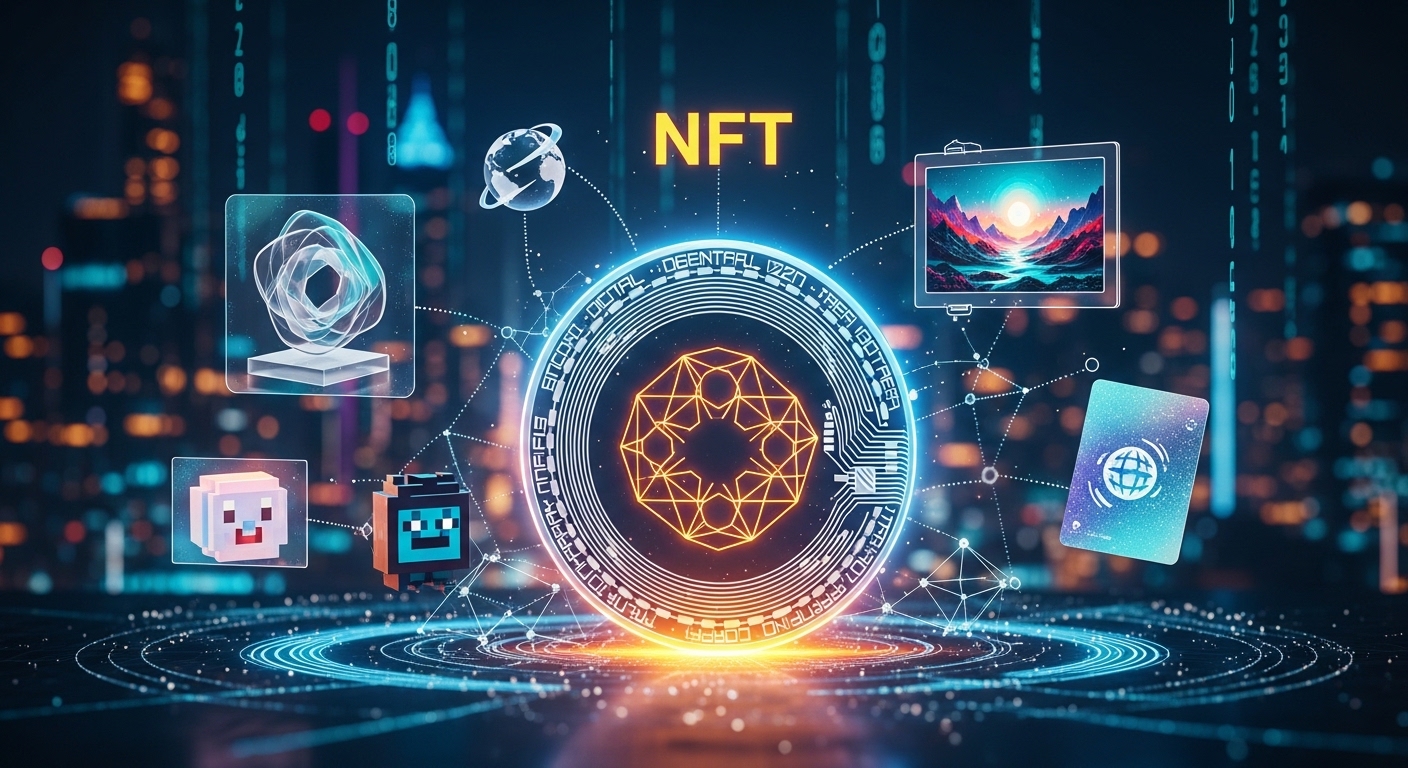
Furthermore, regulatory uncertainty remains a challenge. Different countries have varying laws regarding cryptocurrency, NFTs, and digital assets, which can complicate global adoption. Despite these challenges, the potential upside for creators is substantial, and as the technology matures, these barriers are likely to diminish.
The Future of the Creator Economy with Blockchain
Looking ahead, blockchain is poised to further democratize the creator economy. Emerging trends include fractional ownership of digital assets, decentralized autonomous organizations (DAOs) for creator communities, and cross-platform interoperability for digital content.
As blockchain continues to mature, creators will have unprecedented control over how they monetize their work, interact with fans, and protect their intellectual property. The technology is not merely transforming how creators earn—it’s reshaping the very structure of the creator economy, making it more transparent, fair, and sustainable.
Conclusion
Blockchain technology is revolutionizing the creator economy by empowering creators to take ownership of their digital assets, implement transparent monetization models, and foster deeper engagement with their audiences. By eliminating intermediaries, ensuring fair compensation, and protecting intellectual property, blockchain unlocks creator potential in ways that traditional platforms cannot.
As adoption grows and technology evolves, the creator economy is likely to become more decentralized, inclusive, and financially rewarding. For creators willing to embrace blockchain, the future holds limitless possibilities for innovation, connection, and financial independence.
FAQs
Q: How can blockchain technology help creators earn more than traditional platforms allow?
Blockchain technology allows creators to bypass intermediaries and monetize their work directly through smart contracts and tokenized assets. This ensures they receive fair compensation every time their content is sold, resold, or accessed, unlike traditional platforms where revenue sharing often favors the platform over the creator.
Q: What are some practical ways artists and musicians are using blockchain today?
Artists and musicians are using blockchain to release NFTs of digital artwork or music tracks, enabling automatic royalty payments on resales. Platforms allow creators to sell content directly to fans, create exclusive experiences, and tokenize memberships, fostering community support and ongoing revenue streams.
Q: Can blockchain help protect creators’ intellectual property and prevent piracy?
Yes, blockchain’s immutable ledger records ownership and provenance of digital content, making it verifiable and secure. Smart contracts can enforce royalty distribution and usage terms, reducing the risk of unauthorized use, copyright infringement, or revenue loss for creators.
Q: Are there any challenges creators face when adopting blockchain technology?
Creators may encounter a steep learning curve with blockchain platforms, transaction fees, scalability issues, and environmental concerns from energy-intensive networks. Additionally, regulatory uncertainty around cryptocurrency and NFTs can complicate global adoption. Understanding these factors is essential for effective use.
Q: What does the future hold for blockchain in the creator economy?
The future promises fractional ownership of digital assets, decentralized autonomous organizations (DAOs) for community-driven content, and cross-platform interoperability. Blockchain will enable creators to control monetization, enhance fan engagement, and protect intellectual property, driving a more transparent and sustainable creator economy.