
Standard Chartered Cuts Solana 2026 Target to $250 the global banking giant recently cut its Solana 2026 price target to $250, signaling a more cautious stance toward the high-performance blockchain’s near-term growth trajectory. While the bank remains optimistic about Solana’s long-term potential, its latest assessment highlights a shift in the network’s core use cases from the explosive memecoin trading frenzy to more practical micropayment applications and everyday blockchain transactions.
This change reflects a broader evolution across the crypto market, where speculative trading cycles are increasingly being replaced by infrastructure-driven adoption. Solana, once known primarily as a hub for fast-moving meme tokens and retail-driven hype, is gradually positioning itself as a backbone for low-cost payments, high-throughput decentralized applications, and real-world Web3 financial services.
As institutional analysts adjust expectations, the conversation around Solana’s future is moving beyond price predictions and toward the network’s fundamental role in the next phase of digital asset adoption.
Standard Chartered Cuts Solana 2026
Standard Chartered’s new Solana price forecast reduces the bank’s 2026 projection to $250, a notable shift from earlier, more aggressive targets. The adjustment does not necessarily signal bearish sentiment toward the network itself. Instead, it reflects changing dynamics within the cryptocurrency ecosystem.
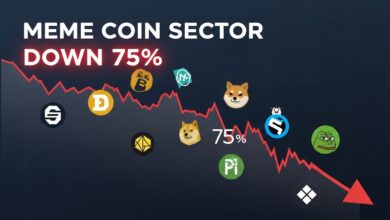
According to the bank’s analysis, much of Solana’s explosive growth in previous cycles was fueled by memecoin speculation, rapid token launches, and retail-driven trading activity. These factors created high network usage and attention but were often short-lived and heavily dependent on market sentiment.
The bank now expects the Solana ecosystem to transition toward more stable, utility-focused applications. This includes micropayments, decentralized finance (DeFi) tools, consumer-facing dApps, and real-time settlement systems. Such use cases are less speculative but also grow more gradually, leading analysts to adopt more conservative price targets.
From Memecoins to Micropayments: A Strategic Shift
The central theme of Standard Chartered’s analysis is the transition from memecoin-driven activity to micropayment-focused blockchain adoption. This shift reflects broader trends across the digital asset industry.
The Memecoin Era and Its Impact
During recent bull cycles, Solana emerged as a hotspot for memecoin launches due to its low transaction costs and high throughput. Traders were drawn to the network’s ability to handle massive volumes of small transactions with minimal fees.
This environment created rapid growth in network activity. However, memecoin ecosystems tend to be volatile, often tied to social media hype and short-term speculation rather than sustainable economic activity. Standard Chartered suggests that while memecoins boosted Solana’s visibility, they did not necessarily build long-term value across the blockchain infrastructure.
The Rise of Micropayments and Real-World Use Cases
In contrast, the next phase of growth is expected to center on micropayment solutions, consumer transactions, and everyday Web3 applications. Solana’s architecture makes it particularly suited for this role.
The network’s high-speed transaction processing, low fees, and scalable architecture allow it to support applications such as:
Digital tipping systems
Pay-per-use online services
In-game purchases
Cross-border microtransactions
Real-time content monetization
These use cases may not generate the same speculative excitement as memecoins, but they create more sustainable demand for Solana network usage over time.
Why Standard Chartered Adjusted the Price Target
Standard Chartered’s decision to lower its Solana 2026 target is rooted in several macro and ecosystem-specific factors.
Slower Growth from Utility-Based Adoption
Utility-driven adoption tends to grow at a steadier pace than speculative trading. While memecoin cycles can cause sudden spikes in activity, micropayment adoption depends on real-world integration, user onboarding, and business partnerships. This means the Solana price outlook may reflect slower but more stable growth rather than explosive rallies.
Increased Competition Among Layer-1 Blockchains
The Layer-1 blockchain space has become more competitive. Ethereum continues to dominate the DeFi and NFT sectors, while networks like Avalanche, Sui, and Aptos are also competing for developers and users. As a result, Solana’s market share may grow more gradually than earlier projections suggested.
Market Maturity and Institutional Influence
The crypto market is evolving into a more mature environment with increased institutional participation. Large investors tend to favor projects with clear utility, stable revenue models, and long-term adoption potential. This shift in investor behavior supports the transition toward micropayment-focused ecosystems but also leads to more conservative price expectations.
Solana’s Technical Strengths Still Stand Out
Despite lowering the price target, Standard Chartered still views Solana as a strong player in the blockchain technology sector.
High Throughput and Low Fees
Solana’s architecture allows it to process thousands of transactions per second at minimal cost. This makes it ideal for real-time financial applications and microtransaction systems. The network’s performance gives it a competitive advantage in areas where speed and affordability are critical.
Growing Developer Ecosystem
The Solana developer community has expanded significantly over the past few years. New projects continue to launch across sectors such as DeFi, NFTs, gaming, and consumer applications. This steady growth suggests that Solana’s ecosystem is evolving beyond speculative tokens into more sustainable platforms.
Integration with Consumer Apps
Solana has increasingly focused on consumer-facing blockchain solutions, including mobile wallets, payment systems, and social applications. These integrations are key to driving mainstream crypto adoption and expanding the network’s real-world relevance.
The Role of Micropayments in Solana’s Long-Term Vision
Micropayments represent a major opportunity for blockchain networks. Traditional financial systems often struggle to handle very small transactions due to processing fees and infrastructure limitations.
Solana’s low-cost architecture makes it well suited for:
Streaming payments
Subscription-based services
Digital content monetization
Peer-to-peer tipping
Machine-to-machine payments
As the digital economy continues to evolve, these use cases could generate steady demand for Solana tokens and network activity.
How the Market Reacted to the Revised Forecast
The market response to Standard Chartered’s updated Solana price prediction has been mixed. Some investors view the reduced target as a sign of cooling expectations, while others see it as a realistic assessment of the network’s transition toward utility-driven growth.
In many ways, the revised forecast reflects a broader shift across the cryptocurrency industry, where long-term adoption is increasingly valued over short-term speculation.
Comparing Solana’s Outlook with Other Cryptocurrencies
Solana’s revised target still positions it as one of the more promising Layer-1 blockchain assets. While Ethereum remains the dominant smart contract platform, Solana continues to differentiate itself through speed and cost efficiency.
Bitcoin, meanwhile, serves primarily as a store-of-value digital asset, with limited focus on micropayments or consumer applications. Solana occupies a unique position between these two models, offering both high-performance smart contracts and real-time payment capabilities.
Institutional Perspectives on Solana’s Future
Institutional analysts are increasingly focused on networks that can support real-world financial applications. Solana’s strengths in transaction speed and cost efficiency make it attractive for use cases such as:
Digital payment rails
Tokenized assets
Consumer financial apps
On-chain settlement systems
Standard Chartered’s revised outlook suggests that institutions still see strong long-term potential in Solana, even if near-term price expectations have been moderated.
What the $250 Target Means for Investors
A $250 Solana price target for 2026 implies continued growth from current levels, but at a more measured pace. Investors may interpret this as a shift from speculative rallies toward steady, utility-driven appreciation.
This aligns with broader trends in the crypto investment landscape, where long-term adoption metrics are becoming more important than short-term price spikes.
Conclusion
Standard Chartered’s decision to cut its Solana 2026 price target to $250 reflects a significant shift in how analysts view the network’s future. Rather than relying on memecoin-driven speculation, Solana is expected to transition toward more sustainable growth powered by micropayments, consumer applications, and real-world blockchain adoption.
While the revised forecast may appear less optimistic than earlier projections, it represents a more mature and realistic outlook for the Solana ecosystem. The network’s technical strengths, expanding developer base, and focus on real-world use cases position it as a strong contender in the next phase of the digital asset revolution.
As the crypto industry evolves, Solana’s success may depend less on hype cycles and more on its ability to power everyday financial interactions. If the shift toward micropayment-driven adoption continues, the network could still play a central role in shaping the future of Web3 finance.
FAQs
Q: Why did Standard Chartered lower its Solana 2026 price target?
Standard Chartered reduced its Solana price forecast primarily because it expects the network’s growth to shift from speculative memecoin trading to more gradual, utility-driven adoption. While memecoins created rapid bursts of activity, micropayment systems and consumer applications typically grow at a steadier pace. This change in expected adoption patterns led analysts to adopt a more conservative price outlook for 2026.
Q: What does the shift from memecoins to micropayments mean for Solana?
The shift indicates a move toward more sustainable and practical use cases on the Solana blockchain. Instead of relying on short-term speculative trading, the network is expected to support everyday financial activities such as digital tipping, subscription payments, and real-time transactions. This transition could lead to more stable long-term growth for the ecosystem.
Q: Is a $250 Solana price target still considered bullish?
A $250 target by 2026 is generally viewed as moderately bullish, depending on current market conditions. It suggests continued growth and adoption, though at a more measured pace than earlier projections. The target reflects expectations of steady expansion driven by real-world applications rather than speculative hype.
Q: How does Solana compare to other Layer-1 blockchains?
Solana stands out for its high-speed transactions and low fees, making it particularly suitable for micropayments and consumer applications. Ethereum remains the dominant smart contract platform, especially in DeFi, while newer networks are competing for developer attention. Solana’s performance advantages give it a unique position in the Layer-1 ecosystem.
Q: What factors could influence Solana’s price before 2026?
Several factors could impact Solana’s price trajectory, including the pace of micropayment adoption, growth in the developer ecosystem, institutional investment, and overall crypto market conditions. Real-world integrations, new consumer applications, and improvements in network stability will also play key roles in shaping the token’s long-term value.