
Digitap vs Dogecoin Meme Volatility Meets Utility in 2026 the cryptocurrency market in 2026 is entering a more mature and selective phase. After years of explosive rallies, painful corrections, and countless speculative tokens, investors are beginning to rethink their strategies. The era of buying any trending meme coin and expecting instant gains is fading. In its place, a growing focus on real-world blockchain use cases, crypto utility tokens, and sustainable token economics is shaping the next cycle.
This shift is clearly visible in the comparison between Digitap ($TAP) and Dogecoin. On one side stands Dogecoin, the original meme coin that built its reputation on humor, community enthusiasm, and viral social media moments. On the other side is Digitap, a newer project positioning itself as a utility-focused cryptocurrency designed to address real market needs.
The contrast between these two assets reflects a broader transformation across the digital asset industry. While meme coins once dominated headlines and delivered massive short-term gains, many investors are now seeking projects with tangible applications, long-term roadmaps, and meaningful adoption. This evolving mindset is changing how capital flows through the crypto ecosystem and could define which tokens survive the next phase of market development.
Digitap vs Dogecoin Meme Volatility
Dogecoin remains one of the most recognizable names in the cryptocurrency space. Created as a joke in 2013, it was never intended to become a serious financial asset. However, the combination of a loyal community, celebrity endorsements, and strong social media presence propelled it into the spotlight.
At its peak, Dogecoin demonstrated how crypto market sentiment and online culture could influence price movements more than traditional fundamentals. The token’s massive rallies were often driven by viral tweets, celebrity mentions, or coordinated online campaigns. This phenomenon gave birth to an entire generation of meme coins that tried to replicate its success.
Despite its popularity, Dogecoin’s primary challenge has always been its lack of a clear, evolving use case. While it has been adopted as a payment method in some areas, its long-term value proposition relies heavily on community enthusiasm rather than blockchain utility or advanced technological features.
Meme Coin Volatility and Market Cycles
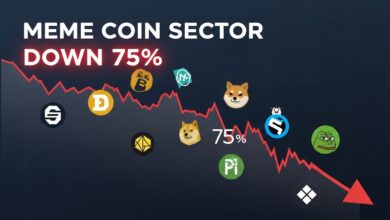
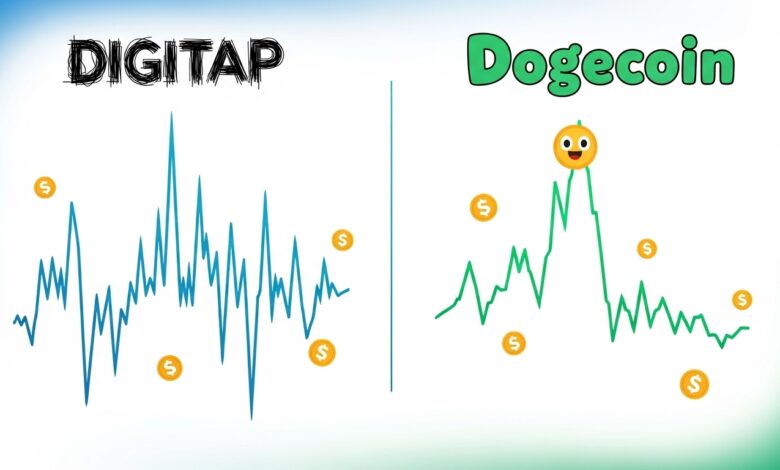
Volatility has always been a defining trait of meme coins. Assets like Dogecoin tend to experience rapid price surges followed by equally dramatic declines. This pattern reflects the speculative nature of meme-driven cryptocurrencies.
In bull markets, meme coins often outperform more traditional assets because they attract retail investors seeking quick gains. Social media hype, influencer promotions, and trending hashtags can create sudden buying pressure, pushing prices to unsustainable levels.
However, when the market cools, these same tokens can lose value just as quickly. Without strong fundamentals or consistent demand, meme coins often struggle to maintain their momentum. This has led many investors to reconsider the long-term viability of purely speculative tokens.
By 2026, the market has become more discerning. Investors are increasingly focusing on crypto projects with real-world applications, rather than relying solely on hype. This shift is driving attention toward tokens that offer measurable value, such as infrastructure services, decentralized finance solutions, and enterprise integrations.
Digitap ($TAP) and the Emergence of Utility-Focused Tokens
Digitap represents a different approach to cryptocurrency design. Instead of relying on internet culture or viral trends, the project positions itself around blockchain-powered financial solutions and practical applications.
Utility-focused tokens like Digitap aim to provide services that users and businesses actually need. This can include identity verification, payment infrastructure, compliance tools, or decentralized applications that solve specific problems.
In the case of Digitap, its core concept revolves around building a platform that integrates financial technology and blockchain systems. By doing so, the project attempts to bridge the gap between traditional finance and decentralized ecosystems.
This focus on functionality reflects a broader trend across the crypto industry. Investors are beginning to prioritize token utility, network adoption, and real-world integration over short-term hype cycles.
The Shift Toward Utility in 2026
The shift toward utility is not happening in isolation. Several major trends are driving this change across the crypto landscape.
Institutional Participation and Market Maturity
As more institutional investors enter the crypto space, the demand for credible, functional projects has increased. Large funds and corporate entities typically avoid highly speculative assets, preferring tokens with strong fundamentals and clear use cases.
This has encouraged the growth of enterprise blockchain solutions, regulated digital assets, and compliance-friendly crypto platforms. Projects that can demonstrate real adoption are more likely to attract long-term capital.
Regulatory Developments
Governments around the world are introducing clearer regulations for digital assets. While this creates challenges for some projects, it also provides legitimacy to those that operate within legal frameworks.
Utility-focused tokens often have an advantage in this environment because they serve identifiable purposes. In contrast, purely speculative meme coins may face greater scrutiny due to their lack of practical applications.
Changing Investor Behavior
Retail investors are also becoming more educated. After experiencing multiple market cycles, many participants are now looking beyond hype. They are evaluating tokenomics, development activity, and ecosystem growth before making investment decisions.
This shift in mindset is contributing to the growing interest in projects like Digitap that promise real functionality.
Comparing Digitap and Dogecoin: Key Differences
Purpose and Vision
Dogecoin was created as a fun, community-driven cryptocurrency. Its identity is rooted in humor, internet culture, and social engagement. While it has gained some real-world adoption, its core appeal remains its meme status.
Digitap, on the other hand, is designed around a specific vision of blockchain utility. Its value proposition depends on the adoption of its services and the functionality of its ecosystem.
Price Behavior and Volatility
Dogecoin’s price movements have historically been influenced by social trends and speculative trading. This makes it highly volatile, with sharp price swings in both directions.
Digitap’s long-term performance will likely depend more on its adoption and development milestones. While it may still experience volatility, utility-focused tokens tend to follow more fundamental-driven price patterns over time.
Community vs. Technology
Dogecoin’s greatest strength is its community. The loyalty and enthusiasm of its supporters have kept the project relevant for over a decade.
Digitap’s strength lies in its technology and use cases. Its success will depend on whether it can deliver practical solutions and attract real users.
The Role of Token Utility in Long-Term Value
Utility has become one of the most important factors in determining the long-term success of a cryptocurrency. Tokens that serve real functions within their ecosystems are more likely to sustain demand over time.
For example, decentralized finance tokens, blockchain infrastructure assets, and enterprise crypto platforms have all gained traction because they provide measurable value.
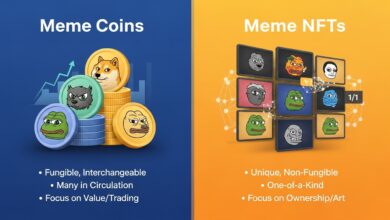
In contrast, meme coins often rely on speculative demand. While this can produce dramatic short-term gains, it does not always translate into sustainable growth.
As the market matures, investors are increasingly prioritizing crypto assets with real adoption. This trend is likely to continue as the industry evolves.
Market Sentiment and the Future of Meme Coins
Despite the shift toward utility, meme coins are unlikely to disappear entirely. They play a unique role in the crypto ecosystem by attracting new users and generating excitement.
However, the market is becoming more selective. Meme coins that fail to evolve or introduce meaningful use cases may struggle to maintain relevance.
Some projects are attempting to blend meme culture with practical applications. This hybrid approach could represent the next phase of meme coin evolution.
Dogecoin itself has explored partnerships and payment integrations, which may help it remain relevant in a more utility-focused market.
Investment Perspectives: Speculation vs. Fundamentals
The comparison between Digitap and Dogecoin highlights a key decision for investors: whether to focus on speculative opportunities or long-term fundamentals.
Speculative assets like meme coins can deliver rapid gains during bull markets. However, they also carry higher risk and greater volatility.
Utility-focused tokens may offer slower growth initially, but they often provide more stable long-term prospects if their platforms achieve real adoption.
In 2026, many investors are adopting a balanced approach. They allocate a portion of their portfolios to high-risk, high-reward assets while maintaining exposure to fundamentally strong projects.
The Broader Trend: From Hype to Functionality
The shift from meme-driven speculation to utility-focused investing reflects the natural evolution of the crypto industry. Early cycles were dominated by experimentation, hype, and rapid innovation.
As the market matures, attention is turning toward scalable blockchain solutions, real-world crypto adoption, and sustainable token models. This transition is similar to what happened in the early days of the internet, when speculative dot-com companies eventually gave way to businesses with real products and services.
Digitap represents this new generation of utility-focused projects, while Dogecoin remains a symbol of the meme coin era. Together, they illustrate the changing priorities of the crypto market.
Conclusion
The comparison between Digitap ($TAP) and Dogecoin highlights a major shift in the cryptocurrency landscape. Dogecoin represents the power of community, culture, and speculation, while Digitap reflects the growing demand for real-world functionality and practical blockchain applications.
As the market moves deeper into 2026, investors are becoming more selective. The focus is shifting from hype-driven assets toward tokens that offer genuine value and long-term potential. This does not mean meme coins will disappear, but their dominance may decline as utility-focused projects gain traction.
Ultimately, the future of the crypto market will likely include both speculative and functional assets. However, the balance is clearly shifting. Projects that can deliver real solutions, attract users, and build sustainable ecosystems may define the next phase of digital asset growth.
FAQs
Q: How is Digitap different from Dogecoin in terms of long-term potential?
Digitap is positioned as a utility-focused cryptocurrency, meaning its value is intended to come from real-world applications and services within its ecosystem. Its success depends on adoption, partnerships, and the functionality it provides. Dogecoin, on the other hand, is primarily driven by community sentiment and meme culture. While it has achieved strong brand recognition, its long-term potential relies more on social momentum than on technological innovation or utility.
Q: Why are investors shifting from meme coins to utility tokens in 2026?
Investors are becoming more cautious after experiencing multiple volatile market cycles. Many are now looking for projects with clear use cases, strong tokenomics, and real adoption. Utility tokens offer the possibility of sustained demand because they serve specific functions within their ecosystems. This makes them more attractive for long-term investment strategies compared to purely speculative meme coins.
Q: Can meme coins like Dogecoin still perform well in the future?
Meme coins can still experience strong performance, especially during bullish market phases when retail enthusiasm increases. Their community strength and viral potential can drive rapid price surges. However, without clear utility or evolving use cases, their long-term growth may be more uncertain compared to projects that provide real-world solutions.
Q: What factors should investors consider when comparing meme coins and utility tokens?
Investors should evaluate several factors, including the project’s use case, development activity, tokenomics, adoption rate, and community support. Meme coins often excel in community engagement and short-term hype, while utility tokens tend to offer stronger fundamentals and long-term value propositions. A balanced approach that considers both risk and potential reward is often recommended.
Q: Is the shift toward utility a permanent trend in the crypto market?
The shift toward utility appears to be part of the natural maturation of the cryptocurrency industry. As regulations become clearer and institutional participation increases, the demand for functional, reliable projects is growing. While speculative assets will likely remain part of the ecosystem, utility-focused tokens are expected to play a larger role in the market’s long-term development.