
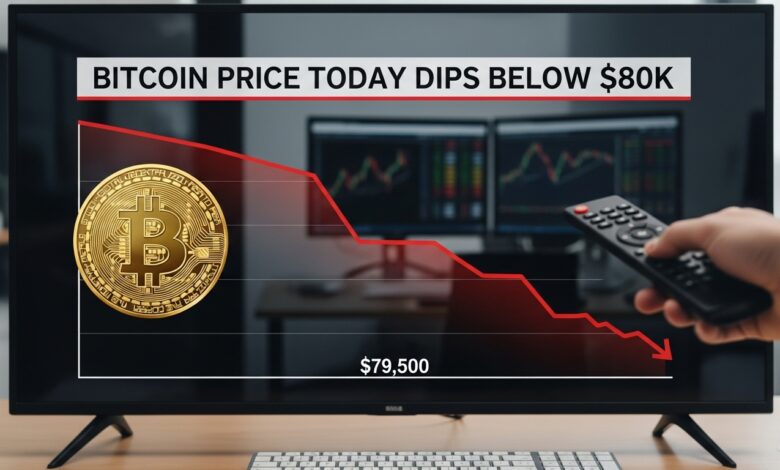
Bitcoin Price Today Dips Below $80k Amid Growing Liquidity Fears, triggering fresh debate across the cryptocurrency market about liquidity conditions, investor confidence, and the broader macroeconomic environment shaping digital assets. For months, Bitcoin had maintained a strong upward bias, supported by institutional inflows, growing acceptance of crypto-based financial products, and optimism around long-term adoption. However, the recent dip below $80,000 has exposed structural vulnerabilities in market liquidity and highlighted how sensitive Bitcoin remains to shifts in capital flows.
The move lower has not occurred in isolation. Global markets are grappling with tighter financial conditions, cautious risk appetite, and uneven liquidity across asset classes. As Bitcoin increasingly behaves like a macro-sensitive asset, these pressures are being reflected in its price action. Traders and long-term holders alike are now reassessing whether the dip represents a temporary pullback or the beginning of a deeper consolidation phase.
We explores why Bitcoin price today dipped below $80,000, how liquidity concerns are shaping market behavior, what technical and on-chain signals are revealing, and what investors should realistically expect in the near to medium term. By examining macro trends, derivatives data, and sentiment indicators, we can better understand the forces currently weighing on the world’s largest cryptocurrency.
Bitcoin Price Today Dips Below $80k
The $80,000 price level for Bitcoin is more than just a psychological round number. Over recent months, it had acted as a key support zone where buyers consistently stepped in, reinforcing confidence in the broader uptrend. When Bitcoin price today fell below this level, it signaled that demand at higher prices had weakened, at least temporarily.
From a market structure perspective, $80,000 marked a convergence of previous breakout levels and high-volume trading zones. Many leveraged positions were built around this area, making it especially sensitive to sudden changes in liquidity. Once selling pressure intensified, stop-loss orders and liquidations amplified the downside move, pushing Bitcoin lower faster than many expected.
The importance of this level also extends to sentiment. Retail traders often view such milestones as validation of bullish narratives, while institutional players monitor them as indicators of market resilience. The failure to hold above $80,000 has therefore introduced caution into both camps, even among long-term Bitcoin believers.
Liquidity Concerns and Their Impact on Bitcoin Price Today
What Liquidity Means in the Crypto Market
Liquidity refers to how easily an asset can be bought or sold without causing significant price changes. In the context of Bitcoin price today, liquidity conditions have tightened noticeably. Lower liquidity means fewer buyers are available to absorb selling pressure, which can result in sharper price swings.
Crypto liquidity is influenced by multiple factors, including exchange volumes, stablecoin supply, institutional participation, and leverage availability. When liquidity contracts, even modest sell orders can trigger outsized moves. This dynamic has become increasingly apparent as Bitcoin trades at higher valuations, where marginal demand plays a larger role in sustaining price levels.
Why Liquidity Is Drying Up
Several developments are contributing to current liquidity concerns. One major factor is reduced stablecoin inflows, which often serve as the primary on-ramp for crypto trading capital. Slower issuance and more cautious deployment of stablecoins suggest investors are waiting for clearer signals before committing funds.
At the same time, global monetary conditions remain restrictive. Higher interest rates and tighter credit conditions reduce the availability of speculative capital, which historically has fueled Bitcoin rallies. As liquidity tightens across traditional markets, crypto is feeling the knock-on effects.
The result is a market environment where Bitcoin price today is more vulnerable to downside moves, particularly when negative catalysts emerge or when profit-taking accelerates.
Macroeconomic Pressure and Its Role in the Recent Dip
Interest Rates and Risk Appetite
Bitcoin’s evolution into a macro-sensitive asset means that broader economic conditions play an increasingly important role in its price behavior. Elevated interest rates continue to attract capital toward yield-bearing instruments, reducing the relative appeal of non-yielding assets like Bitcoin.
When risk appetite declines, investors tend to rebalance portfolios toward safer or income-generating assets. This shift has weighed on Bitcoin price today, especially as traders reassess whether the risk-reward profile justifies aggressive exposure at elevated levels.
Global Market Uncertainty
Ongoing uncertainty in global markets has also contributed to cautious sentiment. Equity volatility, concerns about economic growth, and uneven recovery across regions have created an environment where investors prioritize liquidity and flexibility. In such conditions, speculative assets often experience pullbacks as participants reduce exposure.
Bitcoin, despite its decentralized nature and long-term narrative, is not immune to these forces. The recent dip below $80,000 reflects this broader risk-off tone rather than a fundamental breakdown of the Bitcoin thesis.
Technical Analysis of Bitcoin Price Today
Key Support and Resistance Levels
From a technical standpoint, the breakdown below $80,000 has shifted focus to lower support zones. Areas around previous consolidation ranges are now being closely watched to determine whether buyers will regain control. If Bitcoin stabilizes and reclaims $80,000, it could signal that the dip was a temporary liquidity-driven move.
However, failure to recover quickly may open the door to extended consolidation. Traders are paying close attention to volume trends and price reactions at key levels to gauge whether selling pressure is exhausting or accelerating.
Momentum Indicators and Market Structure
Momentum indicators suggest that Bitcoin price today has entered a cooling phase after an extended rally. While this does not necessarily imply a long-term trend reversal, it does indicate that the market needs time to reset. Consolidation periods are common after sharp advances, especially when liquidity conditions are less favorable.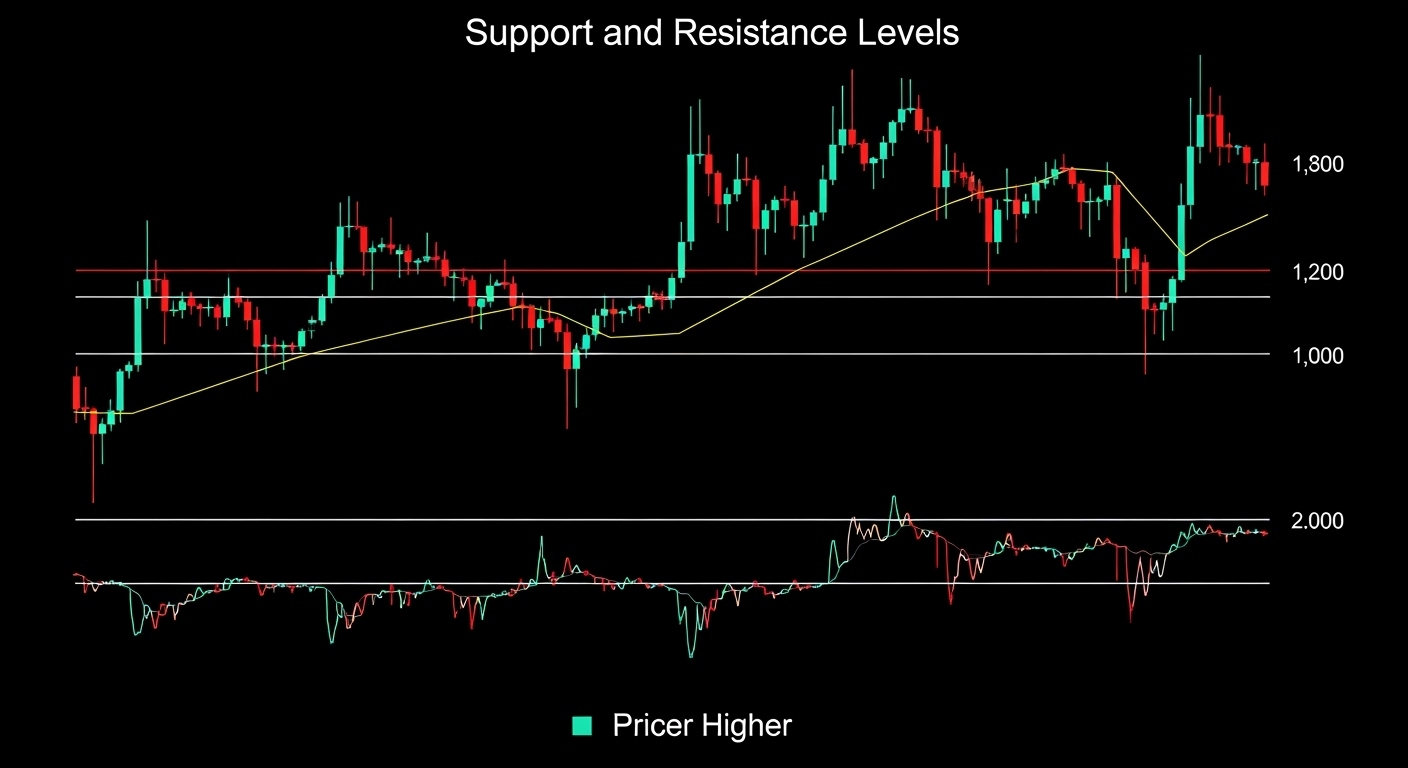
Market structure remains intact on higher timeframes, but short-term weakness highlights the importance of patience. Over-leveraged positions have been flushed out, which could ultimately create a healthier foundation for future moves.
On-Chain Signals and What They Reveal
Long-Term Holders vs Short-Term Traders
On-chain data provides valuable insight into who is selling and who is holding. Recent trends suggest that much of the selling pressure has come from short-term traders and leveraged participants rather than long-term holders. This distinction is important, as long-term holders typically anchor Bitcoin’s price during periods of volatility.
The continued resilience of long-term holders indicates that confidence in Bitcoin’s long-term value proposition remains strong, even as Bitcoin price today fluctuates below key levels.
Exchange Flows and Supply Dynamics
Exchange inflows have ticked higher, signaling increased selling intent among some participants. However, overall supply on exchanges remains relatively constrained compared to historical norms. This suggests that while liquidity concerns are real, they are not necessarily indicative of widespread capitulation.
The balance between exchange flows and long-term accumulation will be a critical factor in determining whether Bitcoin finds a stable base in the coming weeks.
Derivatives Market and Liquidation Pressure
How Leverage Amplified the Move
The derivatives market played a significant role in the recent dip. As Bitcoin price today slipped below $80,000, a wave of liquidations occurred, particularly among over-leveraged long positions. These forced liquidations added to selling pressure, accelerating the downside move.
Leverage can amplify gains during bullish phases, but it also increases vulnerability during pullbacks. The current reset may reduce excessive leverage, potentially leading to more sustainable price action over time.
Funding Rates and Trader Sentiment
Funding rates have cooled as sentiment shifts from aggressive optimism to cautious neutrality. This change reflects a more balanced market, where speculative excess has been reduced. While this may limit short-term upside, it also decreases the risk of sudden, sharp corrections driven by overcrowded positions.
Institutional Perspective on Bitcoin Price Today
How Institutions View the Dip
Institutional investors tend to view dips differently from retail traders. For many, a pullback driven by liquidity concerns rather than fundamental weakness can represent an opportunity to accumulate at more favorable prices. However, institutions are also sensitive to macro conditions and may wait for clearer signals before increasing exposure.
The dip below $80,000 has not fundamentally altered institutional interest in Bitcoin, but it has reinforced the need for disciplined entry strategies and risk management.
Long-Term Adoption Trends Remain Intact
Despite short-term volatility, broader adoption trends continue to support Bitcoin’s long-term outlook. Increased integration into financial infrastructure and growing recognition of Bitcoin as a digital store of value remain key drivers that could reassert themselves once liquidity conditions improve.
Market Sentiment and Psychological Factors
Fear, Uncertainty, and Market Cycles
Market psychology plays a powerful role in shaping Bitcoin price today. The loss of a key level like $80,000 can trigger fear and uncertainty, even if underlying fundamentals remain unchanged. This emotional response often leads to overreactions in the short term. Understanding these cycles is essential for investors seeking to navigate volatility without being driven by sentiment extremes.
Social Narrative and Its Influence
Narratives around liquidity concerns and macro pressure are currently dominating discussions. While these factors are real, they can sometimes overshadow longer-term drivers.
As narratives shift, so too can market behavior, often faster than fundamentals alone would suggest.
What Could Happen Next for Bitcoin
Scenarios for Recovery or Consolidation
If liquidity conditions stabilize and macro sentiment improves, Bitcoin could reclaim $80,000 and resume its broader uptrend. In this scenario, the recent dip would be remembered as a healthy correction within a larger bullish cycle.
Alternatively, prolonged liquidity constraints could lead to extended sideways movement, allowing the market to rebuild momentum. Such phases can be frustrating but are often necessary for sustainable growth.
Key Factors to Watch
Investors should monitor liquidity indicators, macroeconomic signals, and on-chain trends closely. Changes in stablecoin flows, derivatives positioning, and long-term holder behavior will provide important clues about the market’s next move.
Conclusion
Bitcoin price today dipping below $80,000 underscores the growing influence of liquidity conditions and macroeconomic forces on the cryptocurrency market. While the move has introduced short-term uncertainty, it does not fundamentally undermine Bitcoin’s long-term narrative. Instead, it highlights the evolving nature of Bitcoin as an asset increasingly intertwined with global financial dynamics.
Liquidity concerns, leverage resets, and cautious sentiment have combined to create a challenging environment, but they have also laid the groundwork for a potentially healthier market structure. For investors willing to look beyond immediate price fluctuations, the current phase may offer valuable insights and opportunities. As always, patience, perspective, and disciplined risk management remain essential in navigating Bitcoin’s ever-changing landscape.
FAQs
Q: Why did Bitcoin price today fall below $80,000 despite strong long-term fundamentals?
Bitcoin price today dipped below $80,000 primarily due to tightening liquidity conditions and broader macroeconomic pressure rather than a breakdown in long-term fundamentals. Reduced stablecoin inflows, cautious risk appetite, and leverage-driven liquidations created short-term selling pressure that pushed prices lower.
Q: Are liquidity concerns a short-term issue or a long-term risk for Bitcoin?
Liquidity concerns are typically cyclical and often tied to macroeconomic conditions. While they can create short-term volatility, they do not necessarily represent a long-term risk to Bitcoin’s value proposition. Improved financial conditions and renewed capital inflows could alleviate these concerns over time.
Q: Does the drop below $80,000 mean the Bitcoin bull market is over?
A dip below $80,000 does not automatically signal the end of a bull market. Corrections and consolidation phases are common during extended uptrends. The broader market structure and long-term adoption trends still suggest resilience, even amid temporary weakness.
Q: How should investors interpret the current Bitcoin price today movement?
Investors should view the current movement as part of a broader market adjustment driven by liquidity and sentiment shifts. Short-term traders may focus on technical levels, while long-term investors often assess whether underlying adoption and supply dynamics remain intact.
Q: What indicators should be watched to assess Bitcoin’s next move?
Key indicators include liquidity metrics, stablecoin flows, derivatives positioning, and on-chain data related to long-term holders. Monitoring these factors can provide clearer insight into whether Bitcoin is preparing for recovery or extended consolidation.