
Meme Coins vs Meme NFTs Key Differences Every Investor Should Know the explosive growth of internet culture within blockchain technology has given rise to two fascinating digital asset categories: meme coins and meme NFTs. What started as jokes, internet humor, and viral trends has now evolved into billion-dollar markets influencing crypto investors, artists, and online communities worldwide. Understanding meme coins vs meme NFTs is no longer optional for anyone interested in digital assets, as both play unique roles in shaping modern crypto culture and speculative markets.
At first glance, meme coins and meme NFTs may appear similar because they both originate from memes, internet jokes, and social trends. However, beneath the surface, they function very differently, serve distinct purposes, and carry unique risk profiles. This article explores meme coins vs meme NFTs in depth, explaining how they work, why they exist, and what makes them fundamentally different. By the end, you will clearly understand which aligns better with your goals, whether you are an investor, creator, or casual crypto enthusiast.
Meme Coins vs Meme NFTs Key Differences
Meme coins are cryptocurrencies inspired by internet memes, jokes, or pop culture references. Unlike traditional cryptocurrencies designed to solve technical or financial problems, meme coins often rely on community engagement, humor, and social momentum to gain value. The most notable examples began as jokes but later achieved mainstream attention due to viral popularity and celebrity endorsements.
The appeal of meme coins lies in their accessibility and strong community-driven narratives. They are typically low-cost per unit, making them psychologically attractive to new investors who feel they can own millions or billions of tokens. In discussions around meme coins vs meme NFTs, meme coins are often seen as more speculative but easier to trade and understand.
How Meme Coins Work on the Blockchain
Meme coins operate on blockchain networks as fungible tokens, meaning each unit is identical and interchangeable. Most meme coins are built on established blockchains such as Ethereum, Binance Smart Chain, or Solana, using existing token standards. This makes them easy to create, trade, and integrate into decentralized exchanges.
Because meme coins are fungible, their value depends largely on market sentiment, trading volume, and community hype rather than scarcity or uniqueness. This is a key distinction when comparing meme coins vs meme NFTs, as NFTs derive value from individuality rather than interchangeability.
Community Power and Social Influence
Community engagement is the backbone of meme coins. Social media platforms, forums, and influencers play a crucial role in driving attention and demand. Memes spread quickly, and when combined with crypto speculation, they can trigger rapid price movements. In the meme coins vs meme NFTs debate, meme coins are often associated with faster hype cycles and extreme volatility driven by crowd psychology.
Strong communities can also push meme coins toward utility development, such as tipping systems, gaming integrations, or charity initiatives. However, these utilities often come later and are secondary to the coin’s meme-driven identity.
What Are Meme NFTs and Why They Matter
Meme NFTs are non-fungible tokens that represent unique digital assets inspired by memes, viral moments, or internet culture. Unlike meme coins, meme NFTs are not interchangeable. Each meme NFT has distinct metadata that makes it one of a kind, even if it belongs to a larger collection.
In the conversation around meme coins vs meme NFTs, meme NFTs appeal more to collectors, digital artists, and cultural historians. They capture specific moments in internet history and turn them into tradable digital artifacts.
The Technology Behind Meme NFTs
Meme NFTs are built using smart contracts that define ownership, authenticity, and rarity. These tokens usually exist on NFT-compatible blockchains and marketplaces, allowing creators to mint and sell their work directly to buyers. The uniqueness of each NFT is a defining factor in meme coins vs meme NFTs, as it introduces scarcity and individuality.
Ownership of a meme NFT does not mean owning the copyright to the meme unless explicitly stated. Instead, it represents verifiable ownership of a specific digital edition tied to the blockchain.
Cultural Value and Digital Ownership
Meme NFTs derive value from cultural relevance and emotional connection rather than market speculation alone. Some meme NFTs are iconic because they represent the original or early versions of famous internet memes. In meme coins vs meme NFTs, NFTs are often viewed as digital collectibles similar to art or historical artifacts.
This cultural dimension allows meme NFTs to hold long-term value if the meme remains relevant or historically significant. Unlike meme coins, which can be diluted by large supplies, meme NFTs rely on digital scarcity, on-chain authenticity, and collector demand.
Meme Coins vs Meme NFTs: Core Differences Explained
The fundamental differences between meme coins and meme NFTs stem from their structure, purpose, and value drivers. Understanding these distinctions is essential for navigating the meme-driven crypto space wisely.
Fungibility vs Non-Fungibility
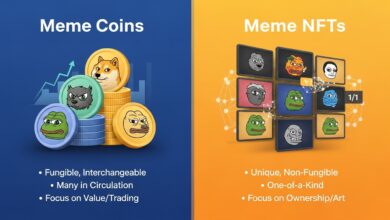
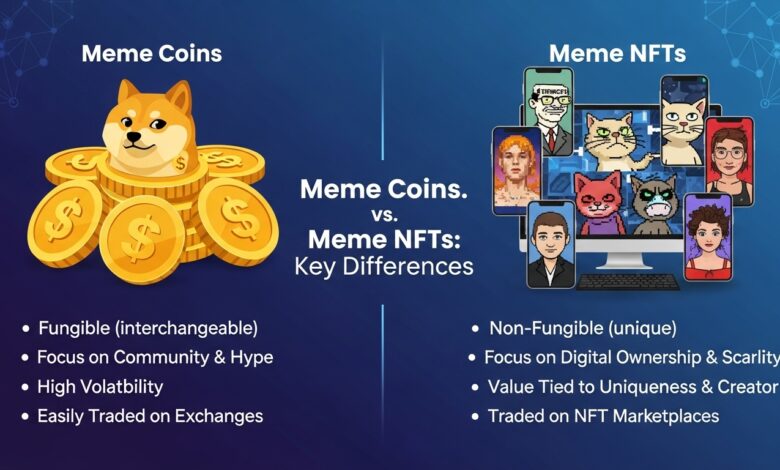
One of the most important differences in meme coins vs meme NFTs is fungibility. Meme coins are fungible assets, meaning one unit is equal to another. Meme NFTs are non-fungible, meaning each token is unique and cannot be directly replaced by another.
This distinction impacts how they are traded, valued, and stored. Meme coins function more like digital currencies, while meme NFTs function more like collectibles or art pieces.
Value Creation and Market Behavior
Meme coins typically gain value through hype, trading volume, and speculative interest. Their prices can surge or crash rapidly based on social sentiment. Meme NFTs, on the other hand, gain value through rarity, artistic appeal, and cultural significance.
In the broader meme coins vs meme NFTs comparison, meme coins are more liquid and easier to buy or sell instantly, while meme NFTs may take longer to sell but can command higher individual prices.
Utility and Use Cases
Meme coins may evolve to include utilities such as staking, governance, or gaming integration. Meme NFTs focus more on digital ownership, creative expression, and community identity. Both can coexist within the same ecosystem but serve different purposes.
The difference in utility highlights why meme coins vs meme NFTs attract different audiences. Traders often prefer meme coins, while collectors and creators gravitate toward meme NFTs.
Investment Risks and Rewards in Meme Coins vs Meme NFTs
Both meme coins and meme NFTs carry high risk, but the nature of that risk differs significantly. Understanding these risks helps investors make informed decisions rather than emotional ones.
Volatility and Speculation
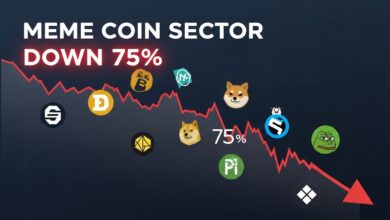
Meme coins are notoriously volatile. Prices can rise exponentially within days and collapse just as quickly. This volatility can generate significant profits but also severe losses. Meme NFTs also experience price fluctuations, but their value is often tied to cultural relevance rather than constant trading activity.
In meme coins vs meme NFTs, meme coins are generally considered riskier for short-term speculation, while meme NFTs involve longer holding periods and uncertain resale demand.
Liquidity Considerations
Liquidity is another major factor. Meme coins are usually traded on exchanges with high volume, making it easier to enter or exit positions. Meme NFTs rely on finding buyers interested in specific pieces, which can limit liquidity.
This liquidity gap is central to understanding meme coins vs meme NFTs as investment vehicles, especially for those who may need quick access to funds.
The Role of Creativity and Storytelling
Creativity plays a different role in meme coins and meme NFTs. Meme coins rely on branding, humor, and collective storytelling to build identity. Meme NFTs rely on visual creativity, originality, and narrative depth.
Creators of meme NFTs often embed stories or emotions into their work, making each piece more than just a digital image. This artistic storytelling element distinguishes meme NFTs in the meme coins vs meme NFTs discussion.
Regulatory and Legal Perspectives
Regulation is an evolving area for both meme coins and meme NFTs. Meme coins may face scrutiny as speculative financial instruments, while meme NFTs raise questions about intellectual property and copyright.
In meme coins vs meme NFTs, regulatory clarity remains limited, but meme coins are more likely to be affected by financial regulations due to their currency-like nature. Meme NFTs are often viewed as digital art, though this classification may change as markets mature.
Long-Term Outlook for Meme Coins and Meme NFTs
The future of meme coins vs meme NFTs depends on broader crypto adoption, cultural relevance, and technological innovation. Meme coins may survive by developing real utility and maintaining strong communities. Meme NFTs may gain lasting value as digital culture becomes increasingly recognized and preserved on-chain. Both asset types are likely to coexist, serving different roles within the digital economy. Understanding their differences allows participants to engage more thoughtfully rather than chasing hype blindly.
Conclusion
Meme coins vs meme NFTs represent two distinct yet interconnected expressions of internet culture within blockchain technology. Meme coins thrive on community-driven hype, fungibility, and speculative trading, while meme NFTs emphasize uniqueness, creativity, and cultural preservation. Neither is inherently better than the other, but each appeals to different goals, risk tolerances, and interests.
By understanding the key differences between meme coins vs meme NFTs, readers can make more informed decisions, appreciate the creativity behind these assets, and navigate the meme-powered crypto landscape with clarity and confidence.
FAQs
Q: How do meme coins vs meme NFTs differ in terms of ownership and control?
Ownership in meme coins vs meme NFTs differs fundamentally because meme coins represent interchangeable units of value, while meme NFTs represent unique digital assets. Holding meme coins means owning a share of a token supply, whereas owning a meme NFT means possessing a specific, identifiable item recorded on the blockchain with verifiable authenticity.
Q: Are meme coins vs meme NFTs suitable for beginners in crypto?
For beginners, meme coins vs meme NFTs offer different learning experiences. Meme coins are easier to understand and trade but come with high volatility. Meme NFTs require understanding digital ownership, rarity, and market demand, which can be more complex but also more creatively rewarding.
Q: Can meme coins vs meme NFTs coexist in the same ecosystem?
Yes, meme coins vs meme NFTs can coexist and even complement each other. Some projects integrate meme coins as currencies within NFT marketplaces or communities, creating ecosystems where both fungible tokens and non-fungible assets support engagement and growth.
Q: Which has more long-term value, meme coins vs meme NFTs?
Long-term value in meme coins vs meme NFTs depends on sustainability. Meme coins may retain value if they develop real utility and maintain active communities. Meme NFTs may hold long-term value if they represent culturally significant moments or high-quality digital art that remains relevant over time.
Q: What should investors consider before choosing meme coins vs meme NFTs?
Before choosing meme coins vs meme NFTs, investors should consider risk tolerance, liquidity needs, personal interest in art or trading, and understanding of market dynamics. Both require research and emotional discipline, as hype-driven assets can be unpredictable and highly speculative.