
UXLINK Partners with zCloak to Reshape AI Agents at Web3 Connect the convergence of artificial intelligence and Web3 technologies is rapidly reshaping how digital ecosystems are built, governed, and experienced. As decentralized networks mature, the role of intelligent, autonomous agents is becoming increasingly central to user interaction, governance, and data coordination. Against this backdrop, the announcement that UXLINK partners with zCloak and TinTinLand to transform the AI agent landscape at Hong Kong Web3 Connect 2026 marks a pivotal moment for the industry.
Hong Kong Web3 Connect 2026 is expected to be one of the most influential gatherings in the global Web3 calendar, bringing together developers, researchers, investors, and innovators focused on the next phase of decentralized evolution. The collaboration between UXLINK, zCloak, and TinTinLand highlights a shared vision for integrating AI agents, decentralized identity, and community-driven innovation into a cohesive framework that addresses both technical and social challenges in Web3.
We will explores how UXLINK partners with zCloak and TinTinLand to transform the AI agent landscape at Hong Kong Web3 Connect 2026, examining the strategic motivations behind the partnership, the technologies involved, and the broader implications for the future of AI-powered Web3 ecosystems. By understanding this collaboration, readers gain insight into how intelligent agents may redefine digital interaction in decentralized environments.
UXLINK Partners with zCloak
UXLINK has positioned itself as a key player in building social infrastructure for Web3. Its focus lies in enabling seamless user connections, identity mapping, and community coordination within decentralized networks. Rather than treating Web3 purely as a financial layer, UXLINK emphasizes the social dimension, recognizing that sustainable ecosystems depend on trust, interaction, and usability.
When UXLINK partners with zCloak and TinTinLand to transform the AI agent landscape at Hong Kong Web3 Connect 2026, it brings this social-first philosophy into the realm of AI agents. Intelligent agents are no longer viewed merely as automated tools but as participants in digital communities capable of facilitating engagement, governance, and personalized experiences.
zCloak and the Importance of Decentralized Identity
zCloak is widely recognized for its work in decentralized identity and privacy-preserving credentials. In Web3 environments, identity is both essential and complex. Users need ways to prove attributes, reputation, or eligibility without sacrificing privacy or control over personal data.
The integration of zCloak’s identity solutions into AI agent frameworks addresses a fundamental challenge. AI agents operating in decentralized systems must interact with users and protocols in ways that respect privacy, security, and trust. zCloak’s technology provides the cryptographic foundation for such interactions, making it a critical component of the partnership.
TinTinLand as a Web3 Innovation Hub
TinTinLand plays a unique role as a builder community and innovation hub within the Web3 space. It supports early-stage projects, fosters collaboration, and bridges technical development with market adoption. Its involvement in the partnership ensures that the ideas presented are not purely theoretical but grounded in practical experimentation and developer engagement.
By participating in Hong Kong Web3 Connect 2026, TinTinLand helps translate the vision of AI-powered Web3 into tangible use cases, workshops, and collaborative initiatives that extend beyond the event itself.
The Significance of Hong Kong Web3 Connect 2026
Why Hong Kong Matters for Web3 and AI
Hong Kong has emerged as a strategic hub for Web3 innovation, balancing regulatory exploration with global connectivity. Its position as a financial and technological crossroads makes it an ideal venue for discussions about the future of decentralized systems and artificial intelligence.
When UXLINK partners with zCloak and TinTinLand to transform the AI agent landscape at Hong Kong Web3 Connect 2026, the choice of location underscores the global relevance of the initiative. The event provides a platform to engage policymakers, enterprises, and developers from across regions, fostering dialogue that shapes future standards and adoption pathways.
Web3 Connect as a Catalyst for Collaboration
Hong Kong Web3 Connect is designed to facilitate meaningful collaboration rather than superficial networking. Panels, demonstrations, and interactive sessions encourage participants to explore how emerging technologies intersect. The partnership leverages this environment to showcase how AI agents can operate responsibly within decentralized frameworks.
The presence of UXLINK, zCloak, and TinTinLand together signals a move toward integrated solutions that combine AI intelligence, identity infrastructure, and community development into a unified vision.
Redefining AI Agents in a Web3 Context
From Automation to Intelligent Participation
Traditional AI agents are often designed for automation, executing predefined tasks based on centralized data and control. In a Web3 context, this model is insufficient. Decentralized systems require agents that can operate autonomously while respecting distributed governance and user sovereignty.
The collaboration demonstrates how AI agents can evolve into intelligent participants within decentralized ecosystems. These agents can assist users, moderate communities, and interact with protocols in ways that align with decentralized values.
Trust, Transparency, and On-Chain Behavior
One of the key challenges in deploying AI agents in Web3 is trust. Users need assurance that agents act transparently and in accordance with agreed rules. By integrating decentralized identity and verifiable credentials, the partnership introduces mechanisms for accountability.
When UXLINK partners with zCloak and TinTinLand to transform the AI agent landscape at Hong Kong Web3 Connect 2026, it highlights how verifiable AI behavior, on-chain reputation, and privacy-preserving identity can coexist. This combination enables agents to earn trust over time without compromising decentralization.
Technical Foundations of the Collaboration
AI Agents Powered by Social Graphs
UXLINK’s expertise in social graphs provides a rich data layer for AI agents. Social graphs map relationships, interactions, and community structures, offering context that enhances agent intelligence. Rather than operating in isolation, AI agents can understand social dynamics and respond accordingly.
This capability is particularly valuable in decentralized communities, where context-aware agents can support moderation, onboarding, and engagement without centralized oversight.
Privacy-Preserving Identity Integration
zCloak’s decentralized identity solutions enable AI agents to interact with users securely. By leveraging zero-knowledge proofs and credential verification, agents can confirm user attributes without accessing sensitive data.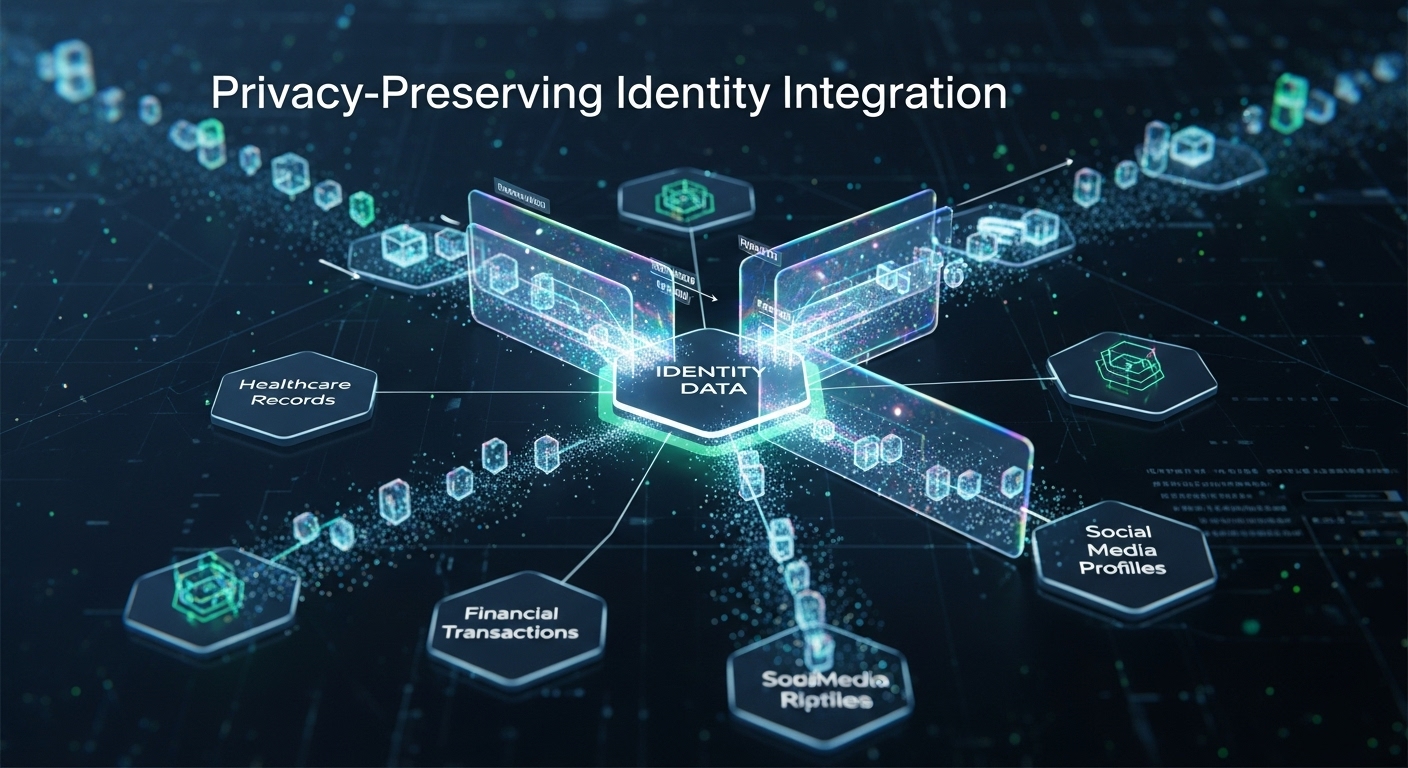
This approach aligns with Web3’s emphasis on user sovereignty. AI agents become facilitators rather than surveillance tools, reinforcing trust and adoption.
Developer Enablement Through TinTinLand
TinTinLand’s involvement ensures that developers have access to resources, guidance, and collaborative opportunities. Workshops and hackathons associated with Hong Kong Web3 Connect 2026 provide practical pathways for building and testing AI agents within decentralized environments.
This developer-centric focus accelerates innovation and helps translate the partnership’s vision into real-world applications.
Use Cases Emerging From the Partnership
AI Agents for Community Governance
Decentralized autonomous organizations often struggle with coordination and participation. AI agents can support governance by summarizing proposals, facilitating discussions, and helping members navigate complex decision-making processes.
By combining UXLINK’s social infrastructure with zCloak’s identity verification, governance agents can ensure fair participation while respecting privacy. This represents a significant step toward more inclusive and efficient decentralized governance.
Personalized Web3 User Experiences
Onboarding remains a major barrier to Web3 adoption. AI agents can guide users through wallets, protocols, and communities, offering personalized assistance based on verified preferences and behavior.
The partnership demonstrates how such agents can operate without centralized data collection, preserving user trust while enhancing usability.
Cross-Community Collaboration and Networking
Web3 ecosystems are fragmented across chains and communities. AI agents powered by social graphs can help bridge these gaps by identifying relevant connections and opportunities.
At Hong Kong Web3 Connect 2026, this vision is showcased as a way to foster collaboration across projects and regions, strengthening the overall ecosystem.
Broader Implications for the AI and Web3 Landscape
Setting Standards for Responsible AI in Web3
As AI agents become more prevalent, establishing standards for ethical and transparent behavior is crucial. The collaboration between UXLINK, zCloak, and TinTinLand contributes to this conversation by demonstrating practical implementations that prioritize privacy and decentralization.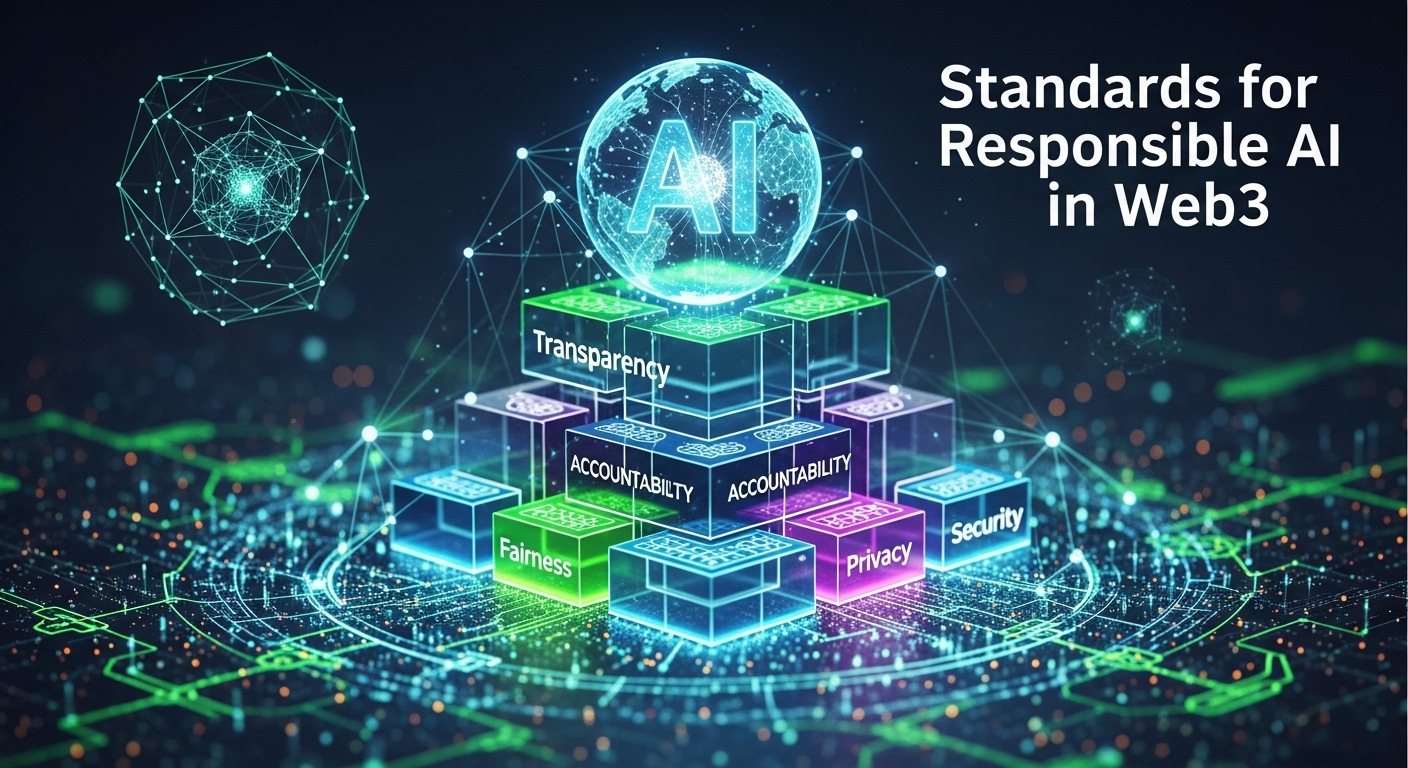
These efforts may influence how future AI agents are designed and governed within decentralized systems.
Accelerating Mass Adoption of Web3 Technologies
User experience is a decisive factor in mass adoption. Intelligent agents that simplify interaction while respecting user autonomy can significantly lower barriers to entry. By addressing usability and trust simultaneously, the partnership helps position Web3 as a viable alternative to centralized platforms.
Challenges and Considerations
Balancing Autonomy and Control
AI agents must balance autonomy with adherence to community norms and rules. Designing systems that allow flexibility without abuse is an ongoing challenge. The integration of identity and governance frameworks provides tools to manage this balance, but continuous refinement is necessary.
Technical Complexity and Interoperability
Combining AI, identity, and decentralized infrastructure introduces technical complexity. Ensuring interoperability across chains and platforms requires collaboration beyond individual projects. Hong Kong Web3 Connect 2026 serves as a testing ground for addressing these challenges collectively.
Conclusion
The announcement that UXLINK partners with zCloak and TinTinLand to transform the AI agent landscape at Hong Kong Web3 Connect 2026 represents a meaningful step toward the future of decentralized intelligence. By integrating social infrastructure, decentralized identity, and developer-driven innovation, the collaboration reimagines AI agents as trusted participants within Web3 ecosystems.
Rather than focusing solely on technical novelty, the partnership emphasizes usability, privacy, and community engagement. This holistic approach highlights how AI and Web3 can evolve together, creating systems that are both intelligent and human-centric. As discussions and demonstrations unfold at Hong Kong Web3 Connect 2026, the impact of this collaboration is likely to extend far beyond the event, shaping how AI agents are designed and deployed in the decentralized world.
FAQs
Q: Why is the partnership between UXLINK, zCloak, and TinTinLand important for AI agents?
The partnership is important because it combines social infrastructure, decentralized identity, and developer ecosystems. This integration allows AI agents to operate transparently, securely, and in alignment with Web3 values.
Q: How does Hong Kong Web3 Connect 2026 contribute to this collaboration?
Hong Kong Web3 Connect 2026 provides a global मंच for showcasing and testing new ideas. It brings together stakeholders who can influence adoption, standards, and future development of AI-powered Web3 systems.
Q: What role does decentralized identity play in AI agent development?
Decentralized identity ensures that AI agents can verify users and interact responsibly without compromising privacy. It enables trust, accountability, and secure participation within decentralized ecosystems.
Q: Can this partnership improve everyday Web3 user experiences?
Yes, by enabling intelligent agents that guide, assist, and personalize interactions, the partnership can reduce complexity and improve onboarding while maintaining user control over data.
Q: What does this collaboration suggest about the future of AI in Web3?
It suggests a future where AI agents are integrated into decentralized systems as trusted participants rather than centralized controllers. This approach aligns intelligence with decentralization, paving the way for more inclusive and resilient digital ecosystems.