
Blockchain Technology Explained: Complete Guide 2025
Blockchain technology explained simply: Learn how blockchain works, its applications, benefits, and future impact on industries worldwide.

The digital revolution has brought numerous innovations that have transformed how we conduct business, share information, and build trust in the digital realm. Among these groundbreaking developments, blockchain technology explained as a distributed ledger system stands out as one of the most transformative inventions of the 21st century. This revolutionary technology, which first gained prominence as the underlying framework for Bitcoin, has evolved far beyond cryptocurrency to become a foundational element in numerous industries. Understanding blockchain technology is no longer optional for businesses and individuals who want to stay ahead in our increasingly digital world. From financial services to supply chain management, healthcare to real estate, blockchain is reshaping traditional systems and creating new possibilities that were previously unimaginable.
What Is Blockchain Technology and How Does It Work
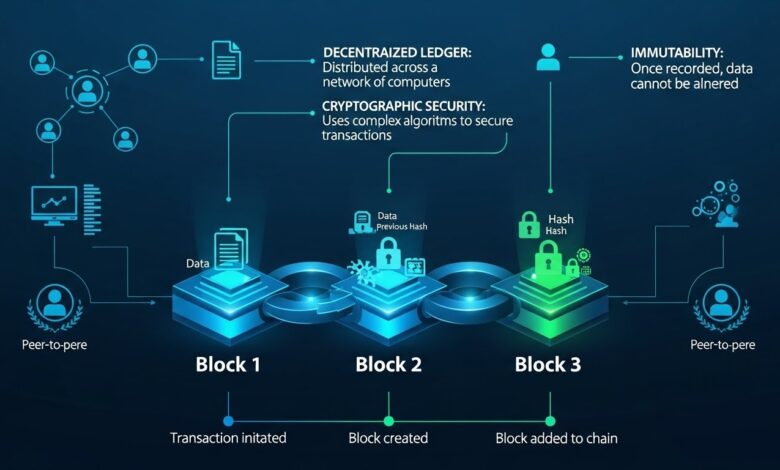
At its core, blockchain technology explained in simple terms is a decentralized digital ledger that records transactions across multiple computers in a way that makes it nearly impossible to alter, hack, or cheat the system. Think of it as a digital notebook that multiple people can write in simultaneously, but once something is written, it cannot be erased or modified without everyone knowing about it. This transparency and immutability are what make blockchain so revolutionary.
The technology gets its name from its structure. Information is stored in blocks, and these blocks are linked together in a chronological chain. Each block contains a collection of transactions, a timestamp, and a cryptographic hash of the previous block. This linking creates an unbreakable chain where any attempt to modify information in one block would require changing all subsequent blocks, which is computationally impractical in a properly designed blockchain system.
The History and Evolution of Blockchain Technology
The conceptual foundation for blockchain technology was laid in 1991 when researchers Stuart Haber and W. Scott Stornetta worked on creating a cryptographically secured chain of blocks. However, the technology remained largely theoretical until 2008, when an individual or group using the pseudonym Satoshi Nakamoto published a white paper introducing Bitcoin and its underlying blockchain mechanism.
Bitcoin’s launch in 2009 marked the first practical application of blockchain technology explained through a working cryptocurrency. The early years saw blockchain primarily associated with digital currencies, with developers and enthusiasts exploring its potential for peer-to-peer financial transactions without intermediaries. The technology proved its resilience and security as Bitcoin’s network grew, processing millions of transactions without a single successful hack of the core blockchain protocol.
Key Features That Make Blockchain Revolutionary
Several distinctive characteristics set blockchain technology apart from traditional database systems and make it particularly valuable for modern applications. Understanding these features is essential for grasping why organizations worldwide are investing heavily in blockchain solutions.Decentralization represents perhaps the most significant feature of blockchain technology explained to newcomers. Unlike traditional systems where a central authority controls the database, blockchain distributes control across a network of computers. This distribution eliminates single points of failure and reduces the risk of data manipulation. No single entity can claim ownership or control over the entire network, creating a more democratic and resilient system.
Transparency and immutability work together to create trustworthy records. Every transaction on a blockchain is visible to all participants, creating complete transparency. Once data is recorded, it becomes extremely difficult to change. Any alteration would require consensus from the majority of the network, making unauthorized changes practically impossible. This feature is particularly valuable in industries where audit trails and proof of authenticity are crucial.Security is inherently built into blockchain technology through cryptographic techniques. Each transaction is encrypted and linked to previous transactions, creating a secure chain. The distributed nature means that attacking the system would require simultaneously compromising the majority of nodes in the network, which is economically and computationally unfeasible for well-established blockchains. This robust security model has made blockchain an attractive option for storing sensitive information and valuable assets.
Types of Blockchain Networks and Their Applications
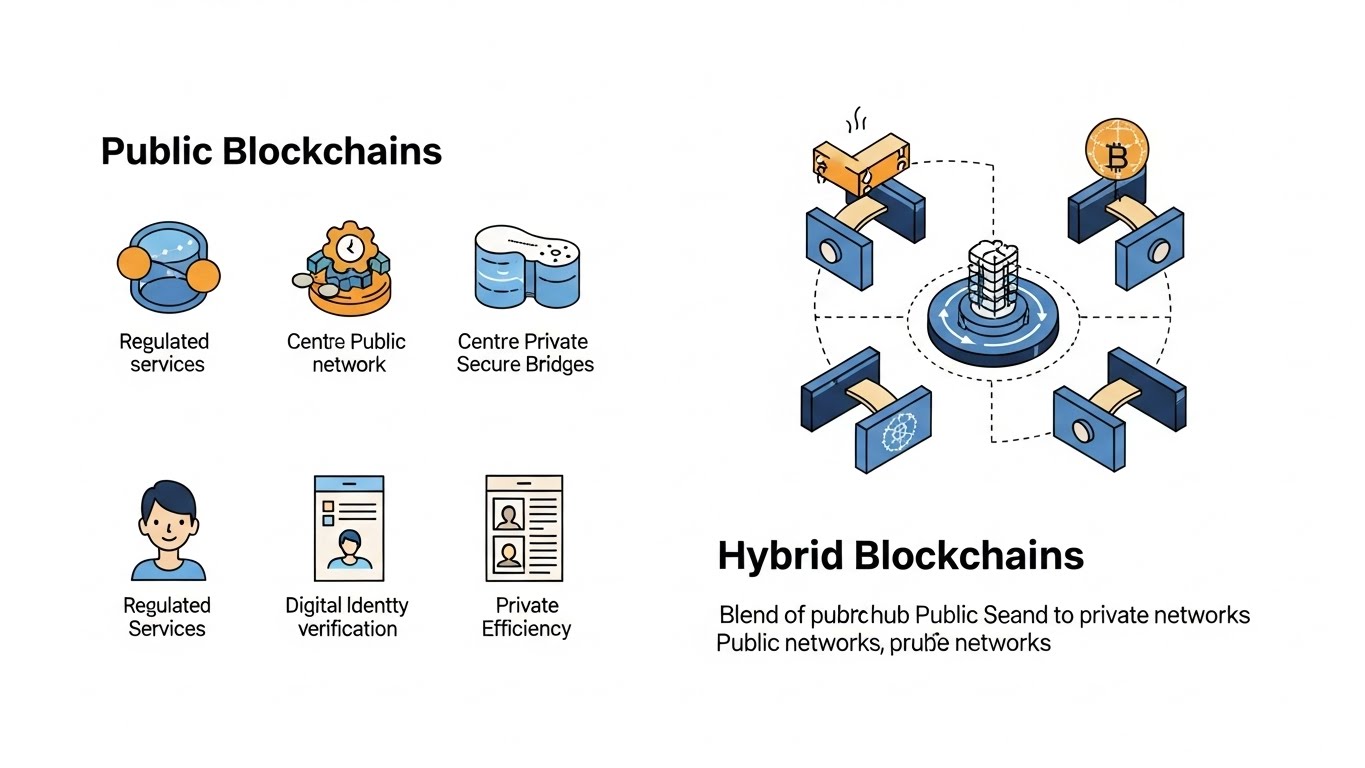
Not all blockchain technology implementations are created equal. Different use cases require different approaches, leading to the development of various blockchain network types, each with its own characteristics and ideal applications.Public blockchains represent the most decentralized form of blockchain technology explained in its purest sense. Networks like Bitcoin and Ethereum allow anyone to join, participate, and view all transactions. These networks are completely open, with no permission required to read, write, or audit the blockchain. The transparency and openness make public blockchains ideal for cryptocurrencies and applications where trust and transparency are paramount. However, they can be slower and less efficient than other types due to the consensus mechanisms required to maintain security across a large, anonymous network.
Private blockchains operate in a more controlled environment where access is restricted to specific participants. Organizations use private blockchain technology when they want the benefits of distributed ledger technology but need to maintain privacy and control over who can participate. Companies in sectors like banking, supply chain, and healthcare often prefer private blockchains because they can achieve faster transaction speeds and maintain confidentiality while still benefiting from the immutability and security of blockchain architecture.Consortium blockchains strike a balance between public and private models. These semi-decentralized networks are controlled by a group of organizations rather than a single entity. This approach works well for industry collaborations where multiple companies want to share information securely while maintaining some level of control. For example, several banks might operate a consortium blockchain for interbank transfers, enjoying the efficiency of distributed technology while maintaining necessary regulatory oversight.
Real World Applications Transforming Industries
The practical applications of blockchain technology extend far beyond cryptocurrency, touching virtually every industry and creating new possibilities for efficiency, transparency, and innovation. Understanding these applications helps illustrate why blockchain is considered a foundational technology for the future.In financial services, blockchain technology explained through practical examples includes cross-border payments, securities trading, and identity verification. Traditional international money transfers can take days and involve multiple intermediaries, each taking fees. Blockchain-based payment systems can complete these transactions in minutes with significantly lower costs. Major financial institutions are developing blockchain solutions for clearing and settlement, potentially saving billions in operational costs while reducing transaction times from days to near-instantaneous.
Supply chain management has become one of the most promising areas for blockchain technology implementation. Companies use blockchain to track products from manufacture to delivery, creating transparent and tamper-proof records. Consumers can verify the authenticity and origin of products, which is particularly valuable for luxury goods, pharmaceuticals, and food products. When contamination or defects occur, blockchain enables rapid identification of affected batches, potentially saving lives and reducing waste. Major retailers and logistics companies have already implemented blockchain solutions to enhance traceability and reduce fraud.Healthcare organizations are exploring blockchain technology for managing patient records, ensuring data integrity, and facilitating secure sharing of medical information between providers. A patient’s complete medical history could be stored on a blockchain, accessible to authorized healthcare providers while maintaining privacy. This approach could eliminate duplicate tests, reduce medical errors, and give patients more control over their health information. Additionally, blockchain can help track pharmaceuticals through the supply chain, combating counterfeit drugs that pose serious health risks.
Smart Contracts and Automated Agreements
One of the most revolutionary aspects of modern blockchain technology is the ability to execute smart contracts. These self-executing agreements have terms directly written into code, automatically enforcing and executing contractual obligations when predetermined conditions are met. Understanding smart contracts is crucial for appreciating the full potential of blockchain technology explained in its advanced forms.Smart contracts eliminate the need for intermediaries in many transactions. When you buy insurance, for example, a smart contract on a blockchain could automatically process and pay claims when specific conditions are verified, such as flight delays confirmed by airport databases. This automation reduces processing time from weeks to minutes and significantly cuts administrative costs. The transparency of blockchain ensures all parties can verify that the contract executes exactly as written.
Decentralized applications, often called DApps, build upon smart contract functionality to create entire platforms that run without central control. These applications use blockchain technology as their backend, ensuring transparency and resistance to censorship. DApps span numerous categories, from decentralized finance platforms that offer lending and borrowing without banks, to gaming applications where players truly own their in-game assets. The programmability of modern blockchains like Ethereum has created an ecosystem where developers can build complex applications that inherit the security and transparency of the underlying blockchain.The legal and regulatory implications of smart contracts continue to evolve. While the technology offers tremendous efficiency gains, questions remain about how traditional legal systems will recognize and enforce these digital agreements. Some jurisdictions are beginning to create frameworks that acknowledge smart contracts as legally binding, while others are still determining how to regulate blockchain-based automated agreements. As the technology matures, we can expect clearer guidelines that balance innovation with consumer protection.
Challenges and Limitations of Current Blockchain Systems
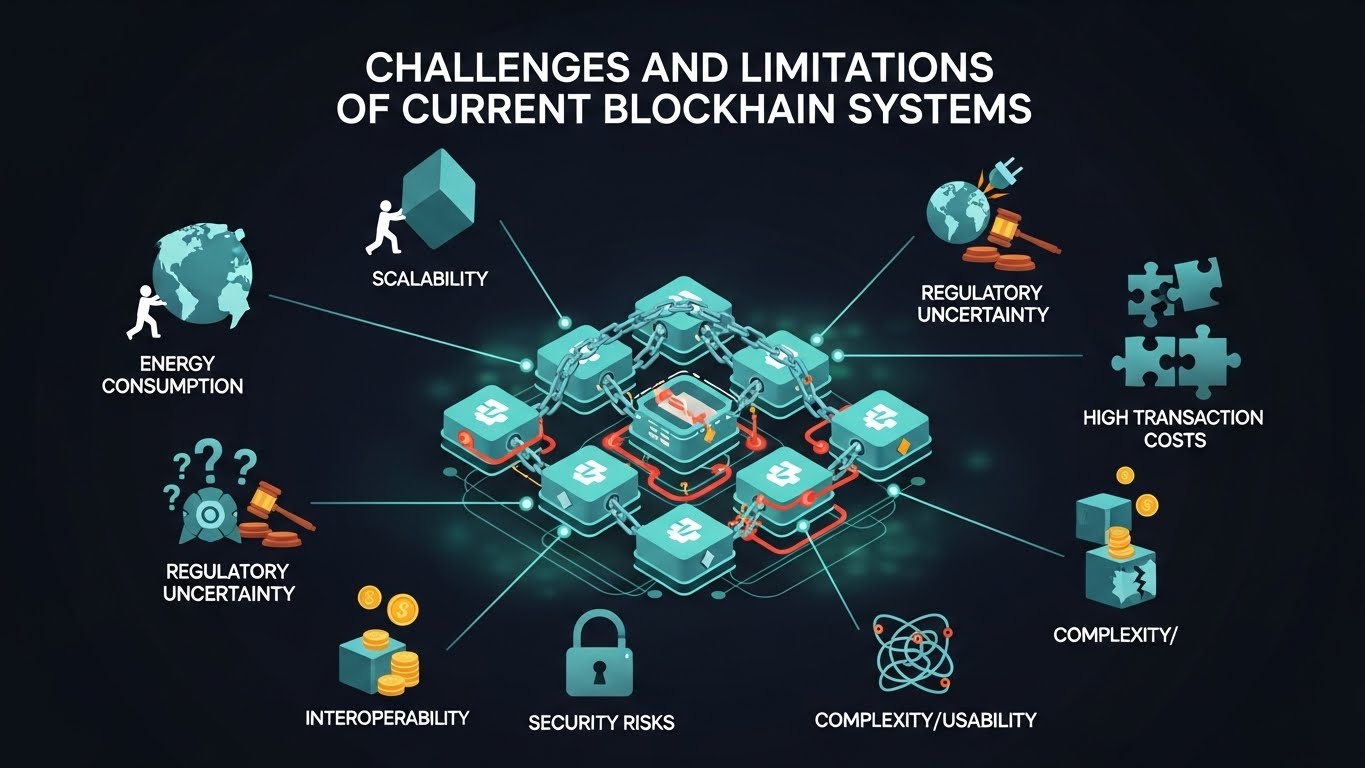
Despite its revolutionary potential, blockchain technology faces several significant challenges that must be addressed for widespread adoption. Understanding these limitations is essential for anyone considering implementing blockchain solutions or investing in the technology.Scalability remains one of the most pressing issues facing blockchain technology explained honestly. Public blockchains like Bitcoin and Ethereum can process far fewer transactions per second compared to traditional payment networks like Visa or Mastercard. Bitcoin processes approximately seven transactions per second, while Ethereum handles around fifteen. This limitation stems from the consensus mechanisms that ensure security and decentralization. As more users adopt blockchain technology, networks can become congested, leading to slower transaction times and higher fees. Developers are working on various solutions, including layer-two technologies and alternative consensus mechanisms, but scalability remains an ongoing challenge.
Energy consumption has become a controversial aspect of certain blockchain implementations, particularly those using proof-of-work consensus mechanisms. Bitcoin’s network, for example, consumes enormous amounts of electricity to maintain security and process transactions. Critics argue that this energy usage is unsustainable and environmentally damaging. However, it is important to note that not all blockchain technology is equally energy-intensive. Many newer blockchains use more efficient consensus mechanisms like proof-of-stake, which require far less energy. The industry is actively working on making blockchain more environmentally sustainable without compromising security.Regulatory uncertainty creates challenges for businesses and individuals wanting to adopt blockchain technology. Different countries and jurisdictions have vastly different approaches to regulating blockchain and cryptocurrencies, creating a complex landscape for international applications. Some governments embrace the technology and create favorable regulatory environments, while others impose strict restrictions or outright bans. This inconsistency makes it difficult for businesses to plan long-term blockchain strategies, particularly for applications that cross international borders. As the technology matures, clearer and more consistent regulatory frameworks will likely emerge.
The Future of Blockchain Technology and Emerging Trends
Looking ahead, blockchain technology continues to evolve rapidly, with numerous exciting developments on the horizon that promise to address current limitations and unlock new possibilities. Staying informed about these trends is crucial for anyone interested in how blockchain will shape our digital future.Interoperability between different blockchain networks represents a major focus for developers and researchers. Currently, most blockchains operate in isolation, unable to communicate or share data with other networks. Future developments aim to create bridges between blockchains, allowing assets and information to flow seamlessly across different platforms. This interoperability will unlock new use cases and create a more connected ecosystem of blockchain applications. Projects working on cross-chain communication protocols are making significant progress, bringing us closer to a future where blockchain networks work together rather than in isolation.
Central bank digital currencies represent a significant trend where governments are exploring or implementing their own blockchain-based national currencies. Unlike cryptocurrencies, these digital currencies would be issued and controlled by central banks, combining the efficiency of blockchain technology with the stability and backing of government-issued money. Many countries, including China, Sweden, and the Bahamas, have already launched pilot programs or fully operational CBDCs. This trend could revolutionize how we think about money and could bring blockchain technology explained in a form that everyday citizens interact with regularly.Integration with emerging technologies like artificial intelligence, the Internet of Things, and quantum computing will create powerful synergies. IoT devices could use blockchain to securely share data and automatically execute transactions, while AI could optimize blockchain networks and analyze the vast amounts of data they generate. However, quantum computing also poses potential risks to current cryptographic methods used in blockchain technology, prompting research into quantum-resistant algorithms. The convergence of these technologies will define the next generation of digital infrastructure.
How to Get Started with Blockchain Technology
For individuals and organizations interested in leveraging blockchain technology, taking the first steps can seem daunting given the technical complexity and rapid evolution of the field. However, multiple pathways exist for different levels of engagement with blockchain, from simple education to full-scale implementation.Education represents the crucial first step for anyone wanting to work with blockchain technology explained thoroughly. Numerous online courses, tutorials, and certifications cover blockchain fundamentals, programming smart contracts, and developing decentralized applications. Universities increasingly offer blockchain-focused programs and research opportunities. For business professionals who do not need technical expertise, courses focusing on blockchain strategy and use cases provide valuable insights without requiring programming knowledge. Building a solid foundation of understanding helps individuals make informed decisions about how to engage with blockchain.
Experimenting with cryptocurrency wallets and simple transactions offers a hands-on introduction to blockchain technology. Setting up a wallet, sending small amounts of cryptocurrency, and exploring blockchain explorers to view transaction histories provides practical experience with how blockchains function. Many educational resources recommend starting with small amounts on test networks before using real assets. This practical experience demystifies blockchain and helps users understand both the capabilities and limitations of the technology.For businesses, starting with pilot projects in specific use cases allows organizations to explore blockchain technology without committing to full-scale transformation. Identifying a business process that could benefit from increased transparency, security, or efficiency provides a focused starting point. Many companies begin with supply chain tracking, document verification, or internal record-keeping before expanding to customer-facing applications. Working with blockchain consultants or platform providers can help navigate technical decisions and avoid common pitfalls. The key is starting small, learning from implementation, and scaling successful applications.
Blockchain Security and Best Practices
 blockchain technology offers inherent security advantages, understanding potential vulnerabilities and following best practices remains essential for anyone using or implementing blockchain solutions. Security in the blockchain ecosystem extends beyond the protocol itself to encompass user behavior and application design.Private key management represents the most critical security consideration in blockchain technology explained from a user perspective. Your private keys provide access to your blockchain assets and identity. Unlike traditional accounts where forgotten passwords can be reset, lost private keys mean permanently lost access to blockchain assets. Best practices include using hardware wallets for significant holdings, never sharing private keys, and maintaining secure backups in multiple physical locations. Many security breaches in the blockchain space result from compromised private keys rather than vulnerabilities in the blockchain itself.
Smart contract vulnerabilities pose significant risks in blockchain applications. Bugs or logical flaws in smart contract code can be exploited by attackers, potentially resulting in substantial financial losses. Unlike traditional software, smart contracts often cannot be easily updated or patched once deployed. This immutability makes thorough testing and security audits essential before deployment. Organizations developing blockchain applications should engage experienced auditors and follow secure development practices to minimize risks.Network security considerations vary depending on the type of blockchain technology being used. Public blockchains generally benefit from the security of large, distributed networks, but smaller or newer blockchains may be vulnerable to attacks where malicious actors gain control of a majority of the network. Private and consortium blockchains must carefully manage access controls and ensure that authorized participants maintain proper security practices. Regular security assessments and staying informed about emerging threats help maintain the integrity of blockchain implementations.
Conclusion
The journey through blockchain technology explained reveals a transformative force that extends far beyond its cryptocurrency origins. This revolutionary approach to data management, transaction processing, and trust establishment is reshaping industries and creating new possibilities that were inconceivable just years ago. From enabling transparent supply chains to automating complex agreements through smart contracts, blockchain demonstrates its versatility and power across countless applications. blockchain technology is no longer just for technologists and cryptocurrency enthusiasts. Business leaders, policymakers, and informed citizens must grasp the fundamentals and implications of this technology as it becomes increasingly integrated into our digital infrastructure. While challenges like scalability, energy consumption, and regulatory uncertainty remain, the industry continues making remarkable progress in addressing these limitations.
The future of blockchain technology looks extraordinarily promising, with innovations in interoperability, integration with other emerging technologies, and mainstream adoption through initiatives like central bank digital currencies. Organizations that invest time in understanding and strategically implementing blockchain solutions position themselves at the forefront of digital transformation, ready to capitalize on the efficiency, transparency, and security that this technology offers.Whether you are a business exploring blockchain applications, a developer wanting to build decentralized applications, or simply someone curious about technological innovation, now is the ideal time to deepen your understanding of blockchain technology. Start your exploration today by experimenting with cryptocurrency wallets, taking online courses, or identifying potential use cases within your organization. The blockchain revolution is unfolding now, and those who understand and embrace blockchain technology explained in its full context will be best positioned to thrive in our increasingly decentralized digital future.